Sebring, FL

Can You Get Dental Implants Without Bone Grafting? What Are the Alternatives?

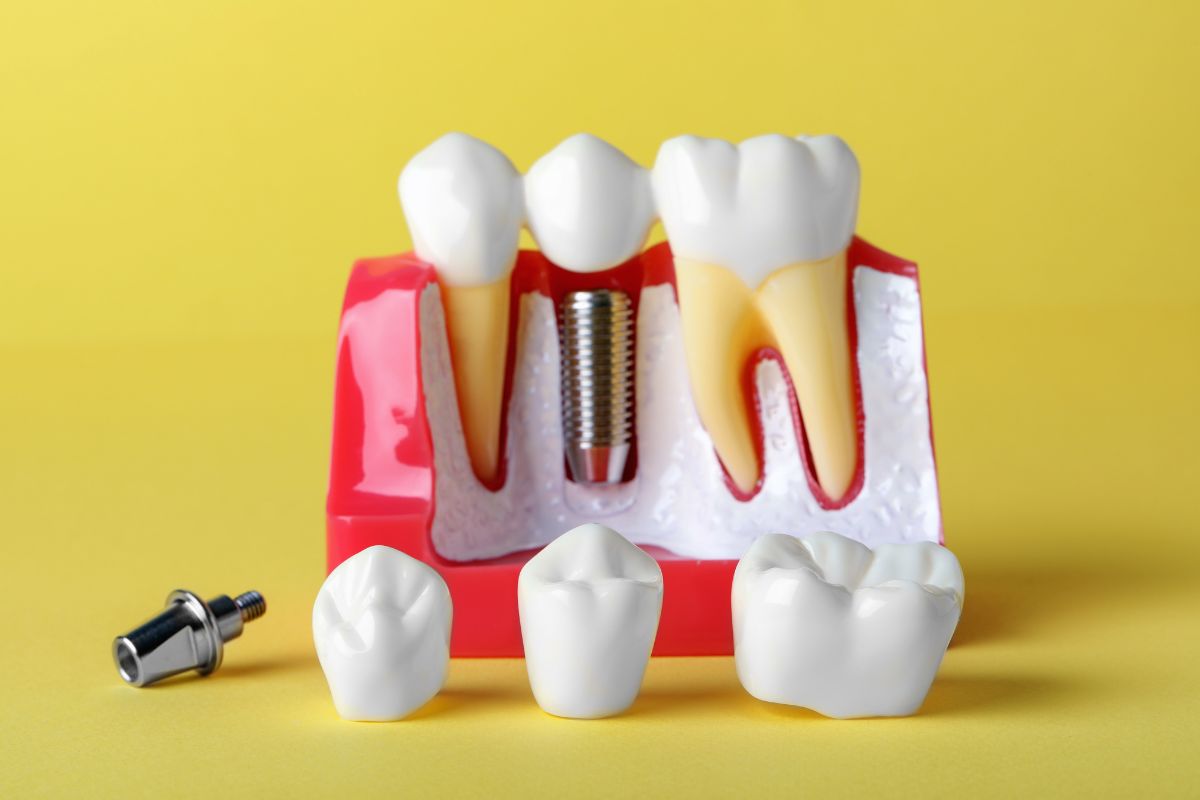
Dental implants are widely considered the gold standard for replacing missing teeth, offering unmatched stability, function, and aesthetics. However, many potential patients are deterred when they hear the term “bone grafting.” This procedure is often necessary to build up the jawbone volume, which naturally recedes after tooth loss, before a standard implant can be placed securely.
The good news is that advancements in modern implantology have made dental implants possible for many patients without the need for bone grafting. If you have been told you lack sufficient bone, don’t despair—innovative solutions exist.
Understanding the Need for Bone Grafting
A conventional dental implant requires a certain minimum amount of bone height, width, and density to achieve successful osseointegration (the fusion of the titanium implant post to the bone). When a tooth is lost, the jawbone is no longer stimulated by chewing, and it begins to resorb or shrink. If this bone loss is too significant, a bone graft is performed to regenerate the necessary support structure.
While bone grafting is a highly effective procedure, it adds several months to the overall treatment time and increases the cost and surgical complexity. Fortunately, dental professionals now have an array of techniques to bypass this extra step.
Graftless Implant Solutions for Bone Loss
For patients with moderate to severe bone deficiency, especially in the upper jaw, specialized dental implant designs and strategic placement techniques offer excellent alternatives to traditional grafting.
1. Specialized Long and Angled Implants
These methods are designed to engage denser, more stable bone structures away from the area of atrophy, often allowing for immediate tooth placement.
- Zygomatic Implants: Used for severe bone loss in the upper jaw (maxilla). These implants are significantly longer than conventional ones (up to 55mm) and are anchored into the zygomatic bone (cheekbone), which is dense and never resorbs. Zygomatic implants are a powerful solution for full-arch restoration, often enabling patients who were previously told they were “hopeless” to receive fixed teeth. They have high long-term success rates, often over 90% at 10 years.
- Pterygoid Implants (Tuberopterygoid Implants): These long implants are placed in the posterior upper jaw, anchored into the dense pterygoid plate of the sphenoid bone. They are a great graftless alternative for replacing missing back molars and supporting full upper arch restorations, specifically avoiding the need for a sinus lift procedure.
2. Smaller or Strategically Placed Implants
- Short Dental Implants: These are implants with a reduced length (typically 8mm or less) but a normal diameter. Modern short implants have improved surface designs to maximize contact area with the remaining bone. They can be placed in areas with limited vertical bone height, avoiding proximity to sensitive anatomical structures like the mandibular nerve or the maxillary sinus. Studies show short implants have success rates comparable to conventional implants, making them a safe, less-invasive choice.
- Mini Dental Implants (MDIs): Mini implants have a much smaller diameter (less than 3mm) and consist of a single piece. They are generally less invasive and require less bone. MDIs are often used to stabilize lower dentures that are loose, significantly improving the quality of life for denture wearers. In some cases, they can be used for single-tooth replacement, particularly in areas with a narrow bone ridge.
- “All-on-4” / “All-on-6” Concepts: This popular full-arch restoration technique uses the strategic, angled placement of just four (or six) implants to maximize contact with the available dense bone in the front of the jaw. By tilting the rear implants, the procedure avoids the need for bone grafting in the back segments of the jaw. This technique often allows for immediate loading, meaning a provisional set of fixed teeth can be attached on the day of surgery.
Traditional Non-Implant Alternatives
If surgery is completely contraindicated, or if your budget requires a different approach, non-implant tooth replacement options remain available:
- Dental Bridges: A fixed restoration that uses the adjacent natural teeth (abutments) for support. This requires crowning the supporting teeth, which may compromise healthy tooth structure.
- Removable Partial or Complete Dentures: These are the most traditional and affordable option, but they rest on the gums and lack the stability of implants. Dentures are known to accelerate jawbone loss over time as they do not provide the necessary stimulation.
Conclusion: A Consultation is Key
Can you get dental implants without bone grafting? Absolutely, yes. For many, the need for a graft can be eliminated by utilizing advanced implant techniques like Zygomatic, Pterygoid, or Short implants, or a full-arch solution like All-on-4. We invite you to visit our dental office to explore all your options and see successful patient results firsthand.
To determine the best path for your unique bone structure and oral health needs, the first essential step is a comprehensive consultation with an experienced implant dentist or oral surgeon. They will utilize 3D imaging (CT scans) to map your jawbone, discuss the graftless options, and tailor a plan that will deliver the stable, functional, and beautiful smile you desire, without the delay of bone grafting. Don’t wait—book an appointment today to start your journey toward a complete smile.
Related Articles
[theme_related]