Sebring, FL

Can Dental Implants Get Cavities?

If you’ve invested in dental implants to restore your smile, you may wonder whether they can develop cavities like natural teeth. It’s a common question among patients considering tooth replacement or those already enjoying the benefits of implants. The short answer is no, dental implants themselves cannot get cavities. However, that does not mean they are maintenance-free. Many patients ask how to protect their implants and keep them functioning for years. Understanding how implants work and what can still affect them is the key to maintaining a healthy smile.
Why Dental Implants Cannot Get Cavities
Natural teeth are covered by enamel, which can break down when exposed to acid-producing bacteria. Cavities form when bacteria feed on sugars and gradually damage the enamel structure.
Dental implants are different. They are made from durable materials such as titanium, porcelain, or ceramic. Since these materials are not organic, they cannot decay like natural teeth.
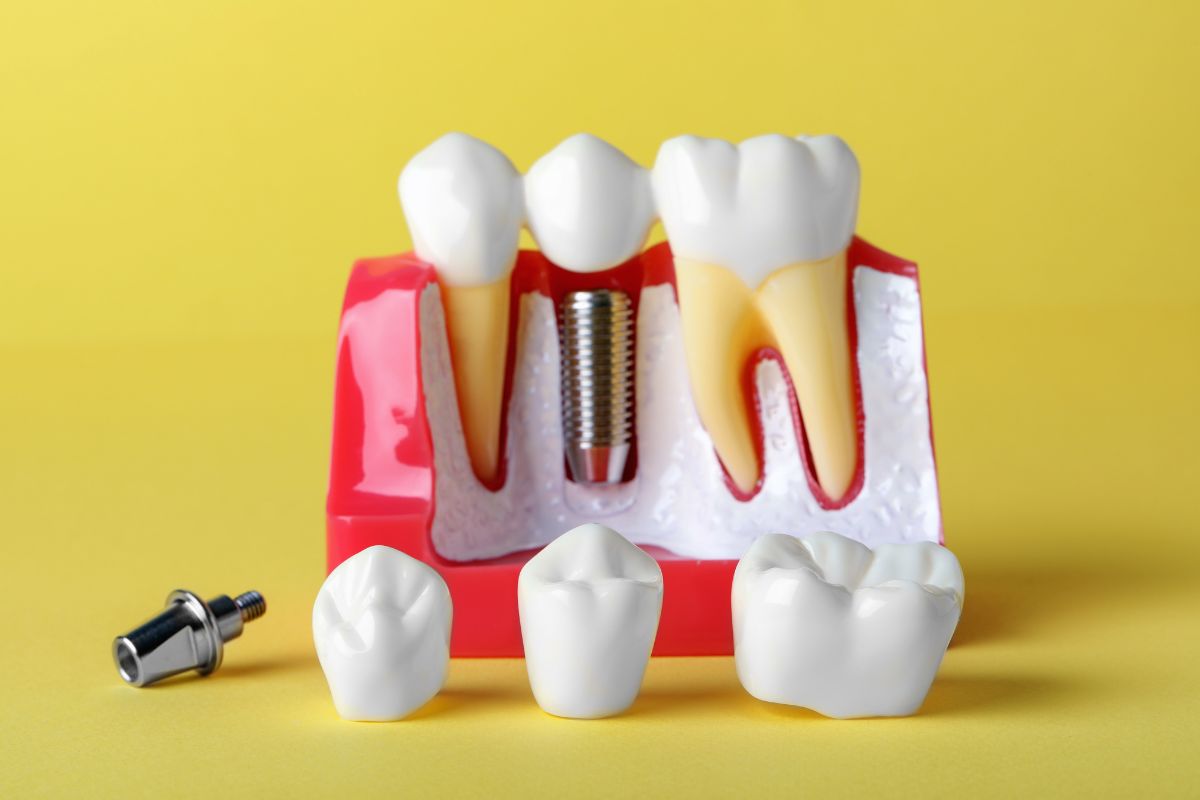
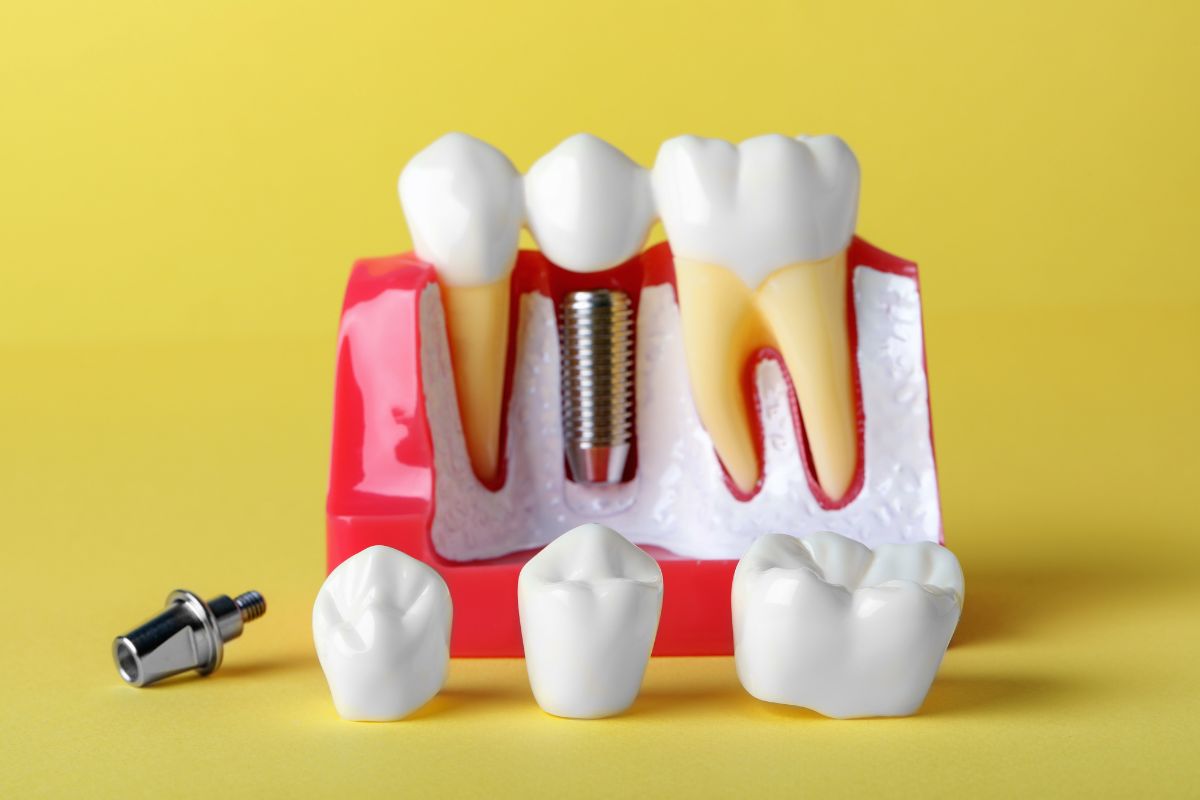
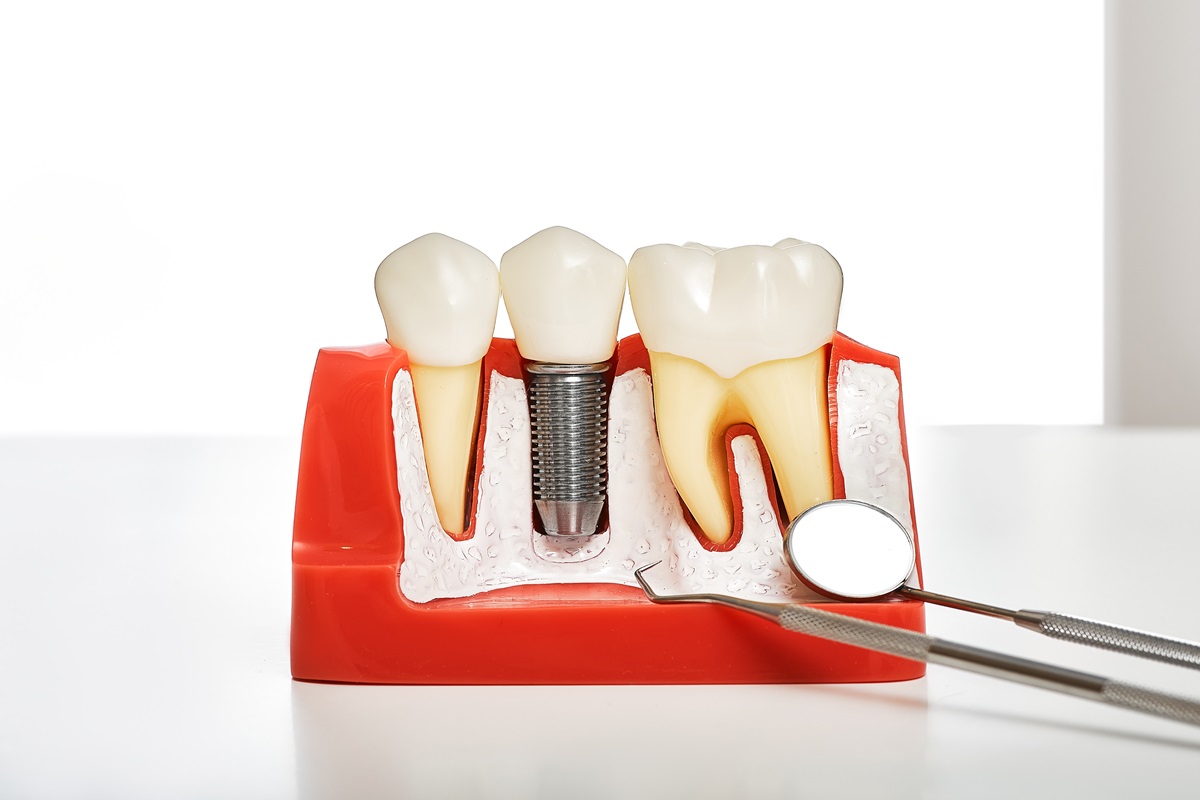
A dental implant typically includes:
- A titanium post that replaces the tooth root
- An abutment that connects the implant to the restoration
- A crown that looks and functions like a natural tooth
Because none of these components contains enamel, they are resistant to cavities and decay.
That’s one of the reasons many people choose dental implants as a long-term solution for missing teeth.
The Important Truth About Implant Care
Even though implants cannot get cavities, the tissues surrounding them can still become infected or inflamed. This is where proper oral hygiene becomes essential.
The gums and bone supporting the implant are still vulnerable to bacteria. If plaque builds up around the implant, it can lead to a condition called peri-implantitis. This infection affects the gum tissue and bone around the implant and may eventually cause implant failure if untreated.
In many ways, peri-implantitis is similar to gum disease around natural teeth. Symptoms may include:
- Red or swollen gums
- Bleeding while brushing
- Persistent bad breath
- Gum recession around the implant
- Pain or discomfort
- Loose implant restoration
Patients sometimes assume they can relax their oral hygiene habits after receiving dental implants, but regular care remains extremely important.
How Plaque Affects Dental Implants
Plaque does not discriminate between natural teeth and restorations. Bacteria can still stick to implant surfaces and accumulate around the gumline. If plaque is not removed regularly, inflammation can begin.
Dental professionals and online dental communities alike frequently emphasize that implants fail more often from gum and bone complications than from damage to the implant itself.
This is why routine dental visits and daily home care are critical to the long-term success of implants.
How to Protect Your Dental Implants
Fortunately, caring for dental implants is usually simple and very similar to caring for natural teeth.
Brush Twice Daily
Use a soft-bristled toothbrush and non-abrasive toothpaste to clean around the implant thoroughly. Gentle brushing helps remove plaque without scratching the restoration surface.
Floss Carefully
Flossing around implants helps remove food particles and bacteria from hard-to-reach areas. Some patients also benefit from water flossers or interdental brushes recommended by an implant dentist.
Schedule Regular Dental Checkups
Routine cleanings and examinations allow your dentist to monitor the health of your gums and implant stability. Professional cleanings help remove plaque buildup that brushing alone may miss.
Avoid Smoking
Smoking increases the risk of gum disease and implant complications. It can interfere with healing and reduce implant success rates over time.
Protect Against Teeth Grinding
Grinding or clenching your teeth can place excessive pressure on implants. A custom nightguard may help protect your smile if you grind your teeth while sleeping.
What Happens if an Implant Is Not Properly Maintained?
Neglecting oral hygiene can eventually lead to inflammation and bone loss around the implant. Unlike a cavity, the implant itself stays intact, but the supporting structures become compromised.
If peri-implantitis progresses, the implant may loosen and require treatment or replacement. In severe cases, bone grafting may be needed before another implant can be placed.
The good news is that these problems are often preventable with consistent care and regular visits to your dental provider.
Are Dental Implants Still Worth It?
Absolutely. Dental implants remain one of the most reliable and successful tooth replacement options available today.
Patients love implants because they:
- Look and feel natural
- Restore chewing ability
- Help preserve jawbone structure
- Prevent shifting teeth
- Provide long-term durability
- Do not require support from neighboring teeth
Studies and dental experts consistently report high long-term success rates for dental implants when patients maintain good oral hygiene habits.
For many individuals throughout Central Florida, implants provide renewed confidence and improved quality of life.
Who Is a Good Candidate for Dental Implants?
Many healthy adults with missing teeth may qualify for dental implants. Ideal candidates generally have:
- Healthy gums
- Adequate jawbone density
- Good overall oral health
- Commitment to oral hygiene
- No uncontrolled medical conditions affecting healing
An experienced implant dentist can evaluate your oral health and determine whether implants are the right option for your needs.
At Dental Care of Mid Florida, patients receive personalized treatment plans designed to restore both function and appearance while supporting long-term oral health.
Why Local Patients Choose Dental Implants
Patients throughout Sebring and the surrounding Mid Florida communities often choose dental implants because they offer stability and comfort that traditional dentures may not provide.
Whether enjoying outdoor activities, dining with family, or attending local community events, many patients appreciate the confidence that comes with a secure and natural-looking smile.
Unlike removable restorations, implants stay firmly in place, allowing you to eat, speak, and smile more comfortably.
The Role of Preventive Care After Implant Placement
Preventive care does not stop once the implant procedure is complete. Ongoing monitoring is one of the best ways to protect your investment.
Your dentist may recommend:
- Professional cleanings every six months
- Periodic X-rays to evaluate bone health
- Specialized implant maintenance tools
- Lifestyle changes to support gum health
When patients follow these recommendations, dental implants can often last for decades.
Restore and Protect Your Smile With Expert Implant Care
While dental implants cannot get cavities, they still require consistent care to stay healthy and functional. Maintaining strong gums and healthy bone around the implant is essential for long-term success.
If you are considering dental implants or want to make sure your existing implants stay in excellent condition, the team at Dental Care of Mid Florida is here to help. Their experienced team provides personalized care designed to keep your smile healthy, comfortable, and confident.
Visit our dental office today to learn more about implant care, restoration options, and preventive treatments. Book an appointment with a trusted implant dentist and take the next step toward a healthier smile.
Frequently Asked Questions
1. Can a dental implant crown stain?
Yes, implant crowns can develop surface stains from coffee, tea, wine, or tobacco use. However, professional cleanings can help maintain their appearance.
2. Can food get trapped around dental implants?
Yes, food particles can collect around implants just like natural teeth. Daily brushing and flossing help prevent plaque buildup and gum irritation.
3. Do dental implants require special toothpaste?
Non-abrasive toothpaste is often recommended to avoid scratching the implant crown surface.
4. Can gum disease affect dental implants?
Yes. Gum disease and peri-implantitis can damage the tissues supporting the implant and potentially lead to implant failure if untreated.
5. How long do dental implants last?
With proper care and regular dental visits, dental implants can last many years or even decades.
6. Is the dental implant procedure painful?
Most patients report minimal discomfort during the procedure because local anesthesia and modern techniques help ensure comfort throughout treatment.