Sebring, FL

Single Tooth vs. Multiple Teeth Implants: Choosing the Right Option

Dental implants have revolutionized restorative dentistry, offering a durable, natural-looking, and functional solution for missing teeth. They are a popular alternative to traditional bridges and dentures. However, when faced with the need to replace one or more missing teeth, many patients wonder about the best approach: a single-tooth implant or a multiple-tooth implant solution? This blog post will help you understand each option’s differences, benefits, and considerations, empowering you to make an informed decision with your dentist.
Understanding Dental Implants
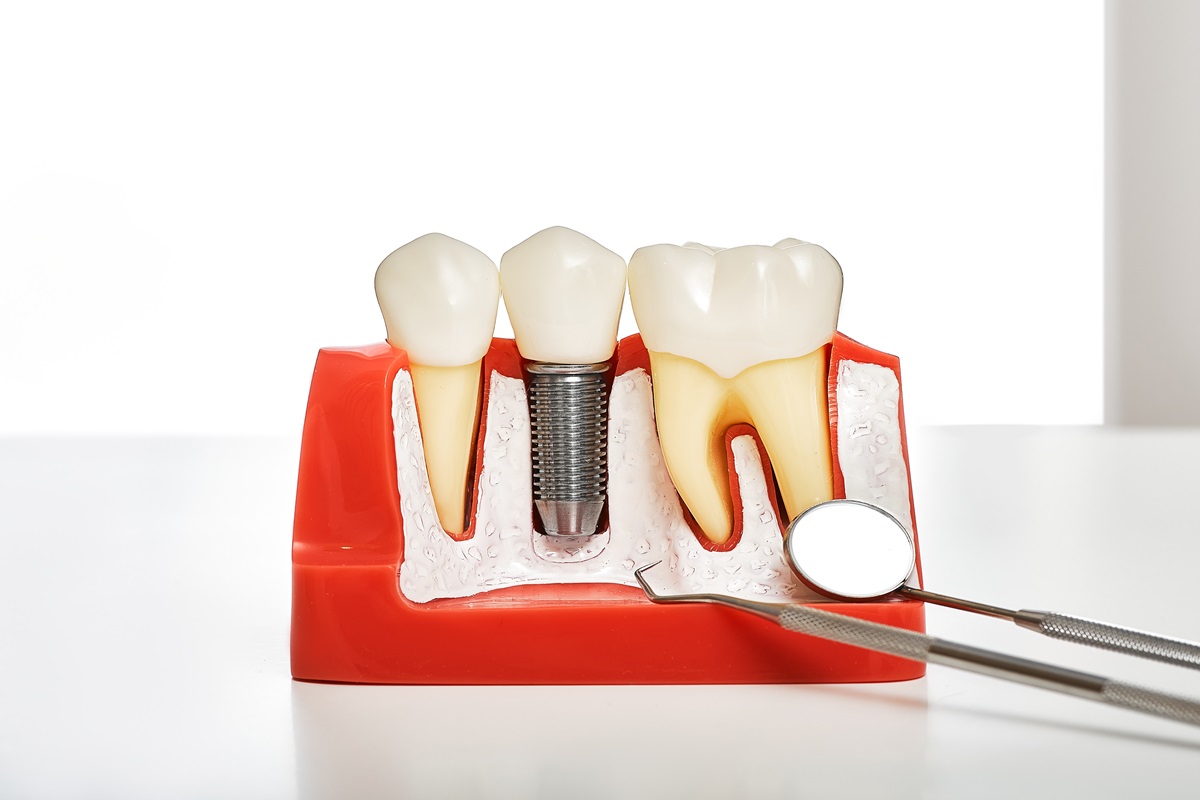
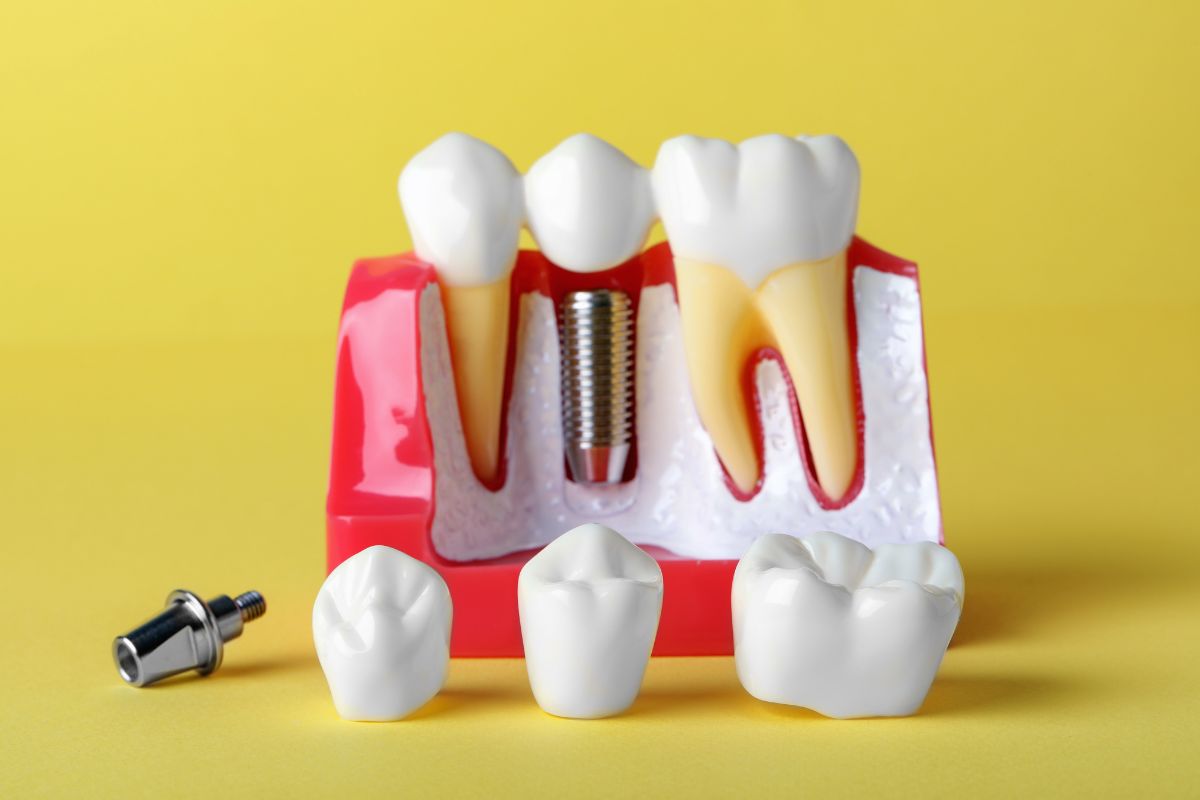
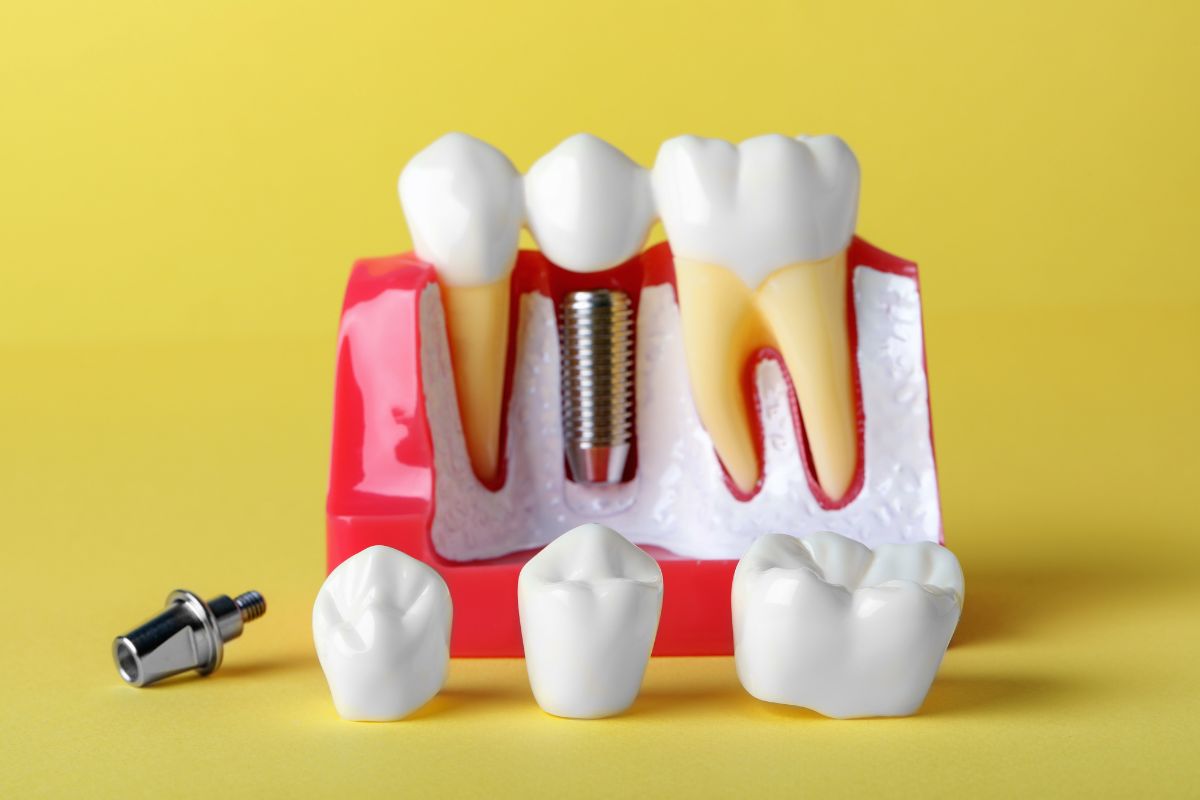
A dental implant is a small titanium post surgically placed into the jawbone to act as a tooth root. Once integrated with the bone, it provides a stable foundation for a dental crown, bridge, or even a full set of dentures. The key difference between single- and multiple-teeth implant options lies in the number of implants used and the type of restoration they support.
Single Tooth Implants: The Gold Standard for One Missing Tooth
A single-tooth implant is the ideal solution for replacing a solitary missing tooth. This treatment involves placing one implant post into the jawbone, which is then topped with a custom-made porcelain or ceramic crown. The crown is meticulously crafted to match the color, shape, and size of your natural teeth, ensuring a seamless and aesthetic result.
Benefits of Single Tooth Implants
- Preserves Adjacent Teeth: Unlike a traditional bridge, which requires grinding down healthy adjacent teeth to serve as anchors, a single implant stands alone. This preserves the integrity and health of your surrounding natural teeth.
- Prevents Bone Loss: When a tooth is lost, the jawbone in that area can begin to resorb (deteriorate) due to a lack of stimulation. An implant provides the necessary stimulation to the bone, preventing this common issue.
- Aesthetic and Functional: A single-tooth implant looks and feels just like a natural tooth. You can chew, speak, and smile with confidence.
- Long-Term Durability: With proper care, a single-tooth implant can last a lifetime, making it a highly cost-effective long-term solution.
Multiple Tooth Implants: Efficient Solutions for Several Missing Teeth
When multiple teeth are missing in a row, a dental professional might recommend a multiple-tooth implant solution. This doesn’t necessarily mean one implant for every missing tooth. Instead, a few strategically placed implants can support a bridge. For instance, two implants can support a three- or four-unit bridge, which replaces several teeth. For a full arch of missing teeth, options like All-on-4 or All-on-6 use four to six implants to support a full arch of teeth.
Benefits of Multiple Teeth Implants
- Cost-Effective: Using a few implants to support a bridge can be more economical than placing an individual implant for each missing tooth.
- Shorter Treatment Time: While the total treatment time is similar to a single implant, replacing multiple teeth at once can be more efficient in terms of total appointments.
- Stable and Secure: An implant-supported bridge is far more stable and secure than a traditional removable partial denture. It won’t slip or shift while you eat or talk.
- Maintains Jawbone Health: Just like a single implant, multiple implants stimulate the jawbone, preventing the bone loss that is common with missing teeth.
Factors to Consider When Choosing
The decision between a single-tooth and a multiple-tooth implant solution is not one-size-fits-all. Several factors will influence the best choice for you. For those considering dental implants, these factors are particularly important.
- Number of Missing Teeth: This is the most obvious factor. If you only have one missing tooth, a single implant is the clear choice. If you have several missing teeth, a multiple-tooth implant solution is likely more appropriate.
- Location of Missing Teeth: The location and spacing of the missing teeth play a role. If a few missing teeth are not adjacent to each other, multiple single implants may be needed.
- Jawbone Health: Adequate bone density is crucial for a successful implant. Your dentist will take X-rays and scans to assess your bone health. If there isn’t enough bone, a bone grafting procedure may be necessary before implant placement.
- Overall Oral Health: Your dentist will also evaluate the health of your gums and remaining teeth. Gum disease and other oral health issues need to be addressed before starting the implant process.
- Budget: While implants are an investment in your oral health, the cost can be a factor. Discuss financing and payment options with your dental provider.
Making the Right Choice
The best way to determine the right option is to schedule a consultation with a qualified and experienced implant dentist. For more information, please visit our dental office or book an appointment with us to discuss your options.
Whether you choose a single-tooth implant or a multiple-tooth solution, dental implants are a life-changing investment that restores your smile, improves your oral health, and boosts your quality of life.