Sebring, FL

Are Dental Implants the Right Choice for Your Broken Teeth?

Dealing with a severely broken tooth can be a painful and stressful experience. Beyond the immediate discomfort, you face a critical decision about the best long-term solution. While some broken teeth can be repaired with fillings or crowns, extensive damage often requires extraction and replacement. In these scenarios, dental implants emerge as a highly effective, modern, and durable option.
But are dental implants the right choice for your specific situation? This comprehensive guide will help you understand how implants work for broken teeth and what makes them a superior restorative treatment.
Understanding the Damage: When is a Tooth Beyond Repair?
Not every chip or crack necessitates an implant. Your dentist will assess the severity of the fracture to determine the best course of action. Simple cracks, often called Craze Lines, may only require minor polishing or no treatment at all. A Fractured Cusp (a break around a filling) can often be saved with a standard dental crown.
However, when a break is so severe that it extends deep into the root or below the gum line, or if the tooth is non-restorable due to extensive decay or infection, extraction becomes essential to protect your oral health. This is most common with a Vertical Root Fracture or a tooth that has broken off directly at the gum line. Once the tooth is removed, a replacement is needed to prevent shifting of adjacent teeth and jawbone deterioration—this is where dental implants shine.
The Gold Standard: Why Implants Excel for Broken Tooth Replacement
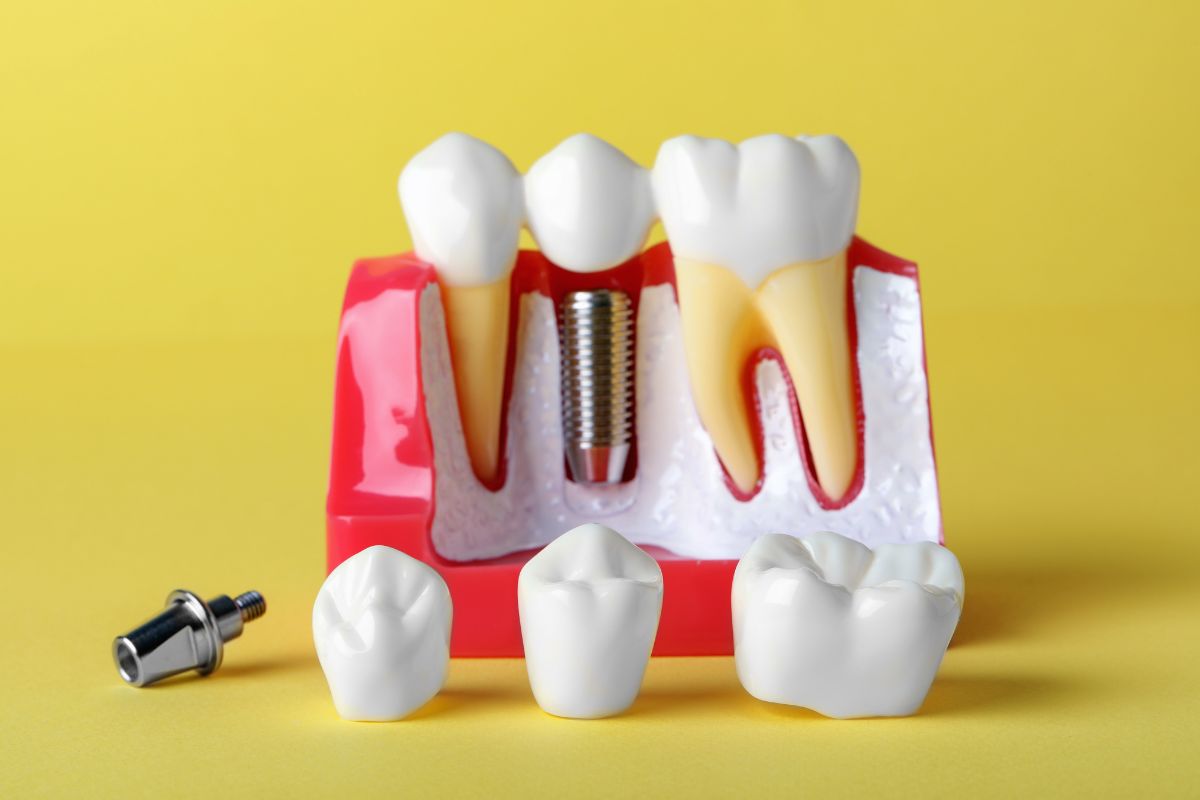
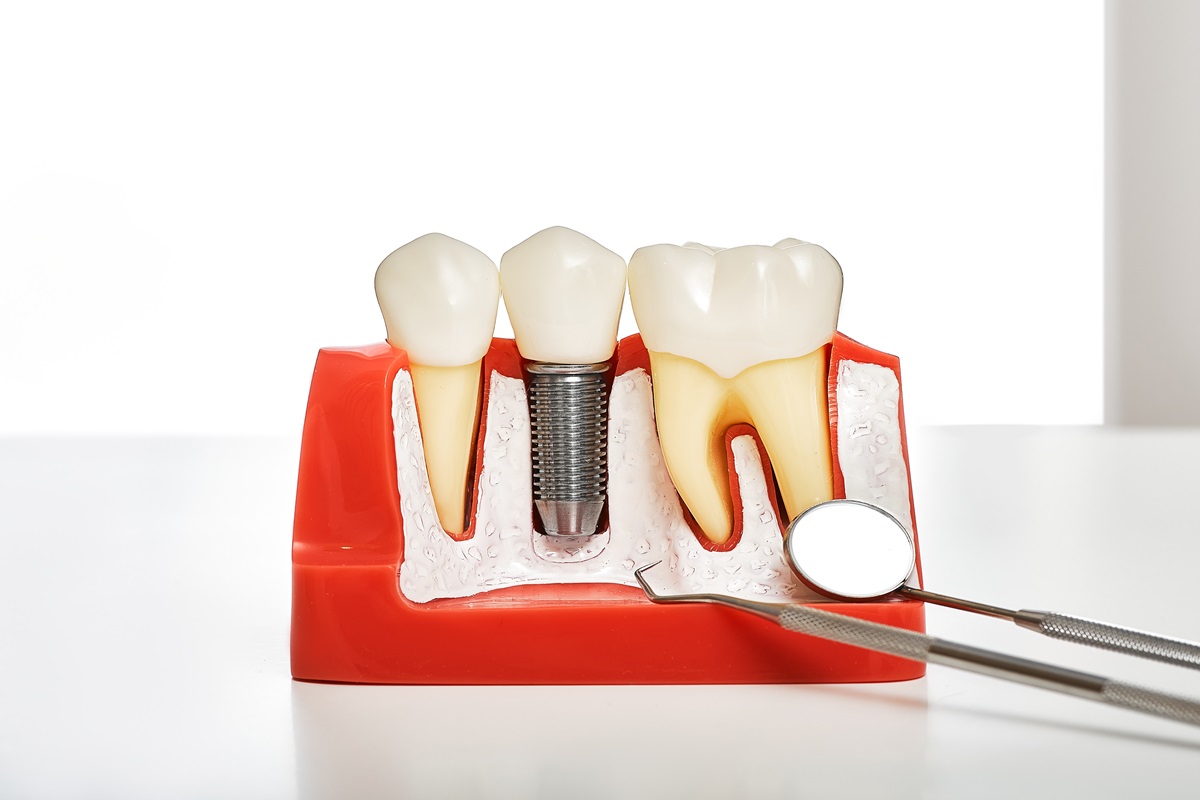
Dental implants are not just replacement teeth; they are replacement tooth roots. They consist of a small, screw-like titanium post surgically placed into the jawbone, an abutment, and a custom-made crown. This unique structure provides a host of benefits that traditional solutions like bridges or dentures cannot match, making it the gold standard for broken tooth replacement.
Unmatched Benefits of Choosing an Implant:
One of the most compelling reasons to choose an implant is its Longevity and Durability. Unlike bridges, which typically need replacement every 10 to 15 years, a well-cared-for dental implant can last a lifetime. The titanium post fuses permanently with your jawbone through an osseointegration biological process, creating an incredibly stable foundation that mimics a natural tooth root.
Another critical advantage is Bone Health Preservation. When you lose a tooth, the jawbone underneath begins to resorb (deteriorate) because it lacks stimulation. The implant post provides this necessary stimulation, helping to preserve your jawbone density and maintain the natural contours of your face. Furthermore, implants Preserve Neighboring Teeth. A traditional dental bridge requires your dentist to grind down the healthy adjacent teeth to anchor the prosthetic. Implants are independent restorations; they replace the missing tooth without altering or compromising the structure of your surrounding natural teeth.
Finally, implants restore your natural look, feel, and function. They are custom-designed to perfectly match your natural teeth in color and shape. Because they are anchored directly into the bone, they restore your full biting force, allowing you to eat, speak, and smile with total confidence—just like you would with a healthy, natural tooth.
The Dental Implant Procedure for a Broken Tooth
While the entire process takes several months to allow for proper healing, the steps are predictable and highly successful.
The process begins with Extraction and Site Preparation. The broken tooth or root fragment must be safely extracted. If there is significant bone loss or an infection, you may need a bone graft before implant placement to ensure sufficient bone volume.
Next is the Implant Placement step. The titanium implant post is surgically placed into your jawbone. This is typically done under local anesthesia by a skilled implant dentist. A critical 3–6 month period follows for Osseointegration (Healing), during which the jawbone naturally grows around and fuses with the implant post, creating the permanent anchor. Once this healing is complete, the final step involves Abutment and Crown Placement. A small connector piece called an abutment is attached to the implant, and a custom-made dental crown is secured on top.
Investment and Affordability
It’s true that the initial cost of a dental implant is generally higher than that of a bridge or denture. However, it’s crucial to view an implant as a long-term investment. Because they last significantly longer and help prevent costly complications like further bone loss or damage to neighboring teeth, their lifetime value often surpasses that of cheaper alternatives.
Many dental offices offer financing options and payment plans, such as CareCredit, to make the treatment more accessible. It is also important to check with your dental insurance, as while it may not cover the full cost of the implant post, it might cover portions of the preliminary procedures or the final crown.
Final Verdict: Is an Implant Right for You?
If your broken tooth is severely compromised and requires extraction, the answer is often a resounding yes. Dental implants offer the best combination of aesthetics, function, and longevity, providing a permanent solution that protects your overall oral health.
The first step is a consultation with a specialist. They will use advanced imaging (like 3D scans) to evaluate your bone density and overall oral health, creating a personalized treatment plan tailored to your needs. Don’t wait to address a broken tooth—a stable and healthy smile is well within your reach. To learn more about your options, we encourage you to visit our dental office. You can also easily book an appointment online or by calling our clinic today!