Sebring, FL

Why You Must Avoid Smoking After Gum Contouring

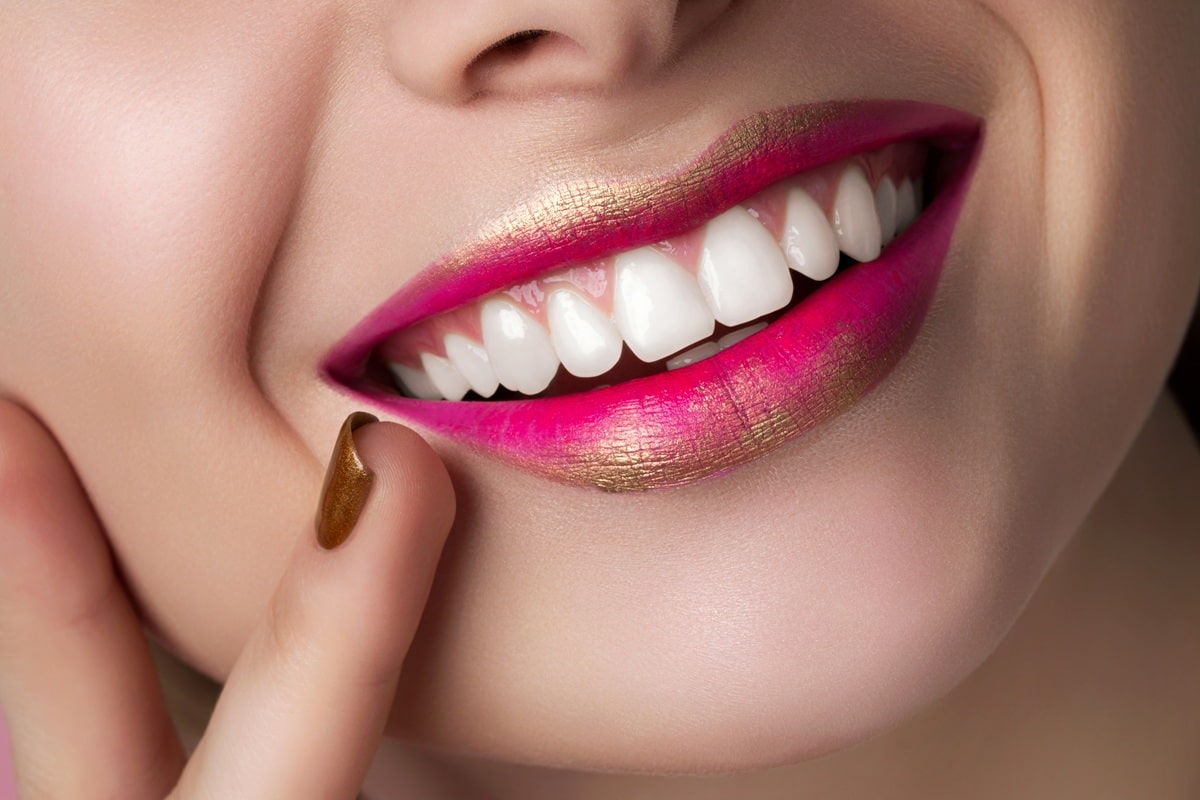
Gum contouring—a fantastic cosmetic procedure that reshapes your gumline for a more balanced, beautiful smile—is a significant investment in your appearance and confidence. You’ve taken the first step toward a perfect smile, but the secret to lasting, stunning results lies in the recovery process.
If you are a smoker, there’s one critical rule for post-procedure care: you must avoid smoking entirely. This isn’t just a suggestion; it’s a non-negotiable step that directly impacts the success of your healing and the final aesthetic outcome of your contoured gums. If you are seeking a trusted source for this procedure, consider consulting a highly rated dentist.
The Immediate and Severe Dangers of Smoking After Gum Surgery
Gum contouring, whether performed with a scalpel or a soft-tissue laser, creates a surgical site that needs time to heal. Your body’s natural response is to form new, healthy gum tissue. Introducing cigarette smoke and nicotine into this delicate healing environment causes immediate and severe complications.
1. Delayed and Compromised Healing
Smoking is the single biggest threat to a successful recovery. Here’s how it sabotages your body’s ability to heal:
- Restricted Blood Flow: Nicotine is a vasoconstrictor, meaning it constricts your blood vessels. This drastically reduces the flow of oxygen-rich blood and vital nutrients to the treated gum area. Without adequate oxygen, tissues cannot repair themselves efficiently, which severely delays recovery time.
- Reduced Oxygen Supply: When you inhale cigarette smoke, carbon monoxide enters your bloodstream. This gas displaces oxygen in your blood, further starving the surgical site of the necessary elements for regeneration.
- Interference with Clotting: The suction motion of puffing on a cigarette can physically dislodge the protective blood clots that form over the treatment site, leading to a painful condition known as a ‘dry socket’ (though more common in tooth extractions, a similar disruption can occur) or simply causing fresh bleeding and re-injury to the delicate, healing gums.
2. Drastically Increased Risk of Infection
The chemical cocktail in cigarette smoke introduces thousands of toxins directly into your mouth, where your gums are already vulnerable.
- Weakened Immune Response: Nicotine lessens the production of important antibodies (like immunoglobulin) that are crucial for fighting off bacteria.
- Exposure to Toxins: The heat and chemicals irritate the raw gum tissue, leading to increased inflammation, pain, and swelling. This creates an ideal environment for bacteria to thrive, heightening the risk of a post-operative infection—a complication that can damage your results and require further intervention.
The Aesthetic and Long-Term Consequences
Beyond the immediate health risks, smoking directly undermines the cosmetic improvement you sought with gum contouring.
- Uneven and Irregular Results: If healing is compromised, the new gum tissue may not regenerate smoothly or evenly. The entire point of the procedure is to create a perfectly balanced and symmetrical gumline; slow or patchy healing can lead to an irregular appearance, potentially undoing the aesthetic benefit you paid for.
- Discoloration and Staining: The tar and nicotine in cigarettes can stain both your teeth and the newly exposed gum tissue, dulling your smile and obscuring the cosmetic improvements of the contouring procedure.
Recommended Timeline: How Long to Wait
For the best possible outcome, the recommendation from dental professionals is clear: Quit smoking entirely. Gum contouring offers a fantastic opportunity to kick the habit for good, securing both your dental and overall health.
However, if quitting long-term is not immediately feasible, you must adhere to the following crucial windows:
- Absolute Minimum: Avoid smoking for the first 72 hours (3 days). This is the most critical period for initial wound closure and clotting.
- Strong Recommendation: Refrain from smoking for at least 1 to 2 weeks. While the surface may appear healed after a few days, the underlying tissue needs this extended time to gain strength and ensure full, stable recovery. Your dentist will provide a personalized timeline, but waiting until your follow-up appointment is highly advised.
Post-Contouring Aftercare: Tips for Optimal Healing
Protect your investment and promote a swift, comfortable recovery by following these essential steps:
- Soft Diet: Stick to cool, soft foods (like yogurt, scrambled eggs, or smoothies) for the first few days. Avoid anything spicy, crunchy, or extremely hot, as these irritate the gums.
- Gentle Hygiene: Brush gently with a soft-bristled toothbrush, avoiding direct contact with the treated area initially. Your dentist may recommend a special antiseptic rinse.
- Avoid Suction: Do not use straws, as the suction can dislodge clots and cause bleeding. Avoid forceful spitting or rinsing for the first 24 hours.
- Pain Management: Use over-the-counter pain relievers (as recommended by your dentist) or prescribed medication to manage mild discomfort and swelling.
By avoiding smoking and diligently following these aftercare instructions, you dramatically reduce complications, ensure proper healing, and guarantee the stunning, balanced smile you deserve. To learn more about cosmetic dental options and how to best prepare for your procedure, we encourage you to visit our dental office or call our patient coordinator. Taking charge of your recovery starts now!
Ready to take the next step toward your perfect smile? Book an appointment with our team today to discuss gum contouring and post-procedure care tailored just for you.