Sebring, FL

Do You Really Need to Floss Every Day?

If you’ve ever wondered whether flossing daily is truly necessary, you’re not alone. Many people brush faithfully but skip flossing, thinking it’s optional. The truth is, flossing is one of the most important (and often overlooked) parts of maintaining a healthy smile.
At Dental Care of Mid Florida, serving the Sebring community, we often hear patients ask, “Is flossing really that important?” Let’s break down the facts so you can make informed decisions about your oral health.
Why Brushing Alone Isn’t Enough
Brushing your teeth twice a day is essential, but it doesn’t clean every surface in your mouth. Your toothbrush mainly reaches the front, back, and chewing surfaces of your teeth, but it can’t effectively clean between them.
That’s where flossing comes in.
Floss removes food particles and plaque from tight spaces your toothbrush simply can’t reach. Without flossing, plaque builds up between teeth and along the gumline, increasing your risk of cavities and gum disease.
Think of it this way: brushing without flossing is like washing only part of your hands; you’re missing critical areas where bacteria can hide.
What Happens If You Skip Flossing?
Skipping flossing occasionally may not seem like a big deal, but over time, it can lead to serious dental issues.
1. Plaque Buildup
Plaque is a sticky film of bacteria that forms on your teeth. If left untreated, it hardens into tartar, which can only be removed by a dentist.
2. Increased Risk of Cavities
When plaque stays between teeth, it produces acids that attack enamel, eventually causing tooth decay.
3. Gum Disease (Gingivitis and Beyond)
Gum disease often starts with inflammation and bleeding gums. If untreated, it can progress to periodontitis, which may lead to tooth loss.
4. Bad Breath
Food trapped between teeth can decay, causing persistent bad breath even if you brush regularly.
Do You Really Need to Floss Every Day?
Short answer: Yes, you do.
Dental experts, including the American Dental Association, recommend flossing at least once a day to remove plaque and debris from between teeth.
Plaque begins to harden within about 24 hours, which means skipping even a day can allow buildup to start forming. Daily flossing helps prevent this cycle and keeps your mouth healthier in the long run.
Benefits of Flossing Daily
When you make flossing a daily habit, you’re doing more than just cleaning your teeth; you’re protecting your overall oral health.
Healthier Gums
Flossing removes bacteria along the gumline, reducing inflammation and lowering your risk of gum disease.
Fewer Cavities
By removing plaque between teeth, flossing helps prevent decay in areas your toothbrush can’t reach.
Fresher Breath
Eliminating trapped food particles keeps your breath clean and fresh throughout the day.
Cleaner, Brighter Smile
Flossing helps keep your teeth looking clean by preventing buildup that can lead to staining.
Better Overall Health
There’s growing evidence linking good oral hygiene to better overall health, including heart health.
Common Myths About Flossing
Let’s clear up a few misconceptions we often hear from patients in Sebring.
“I Only Need to Floss Before My Dentist Appointment”
Flossing right before your visit might make your gums look better temporarily, but it doesn’t reverse long-term damage.
“Flossing Makes My Gums Bleed, So I Should Stop”
Bleeding gums are often a sign of inflammation caused by plaque. Regular flossing can actually help reduce bleeding over time.
“Brushing Well Is Enough”
Even the best brushing technique can’t replace flossing. You’re still leaving behind debris in tight spaces.
Tips for Making Flossing Easier
If flossing feels like a chore, you’re not alone. The good news is that it becomes easier with consistency.
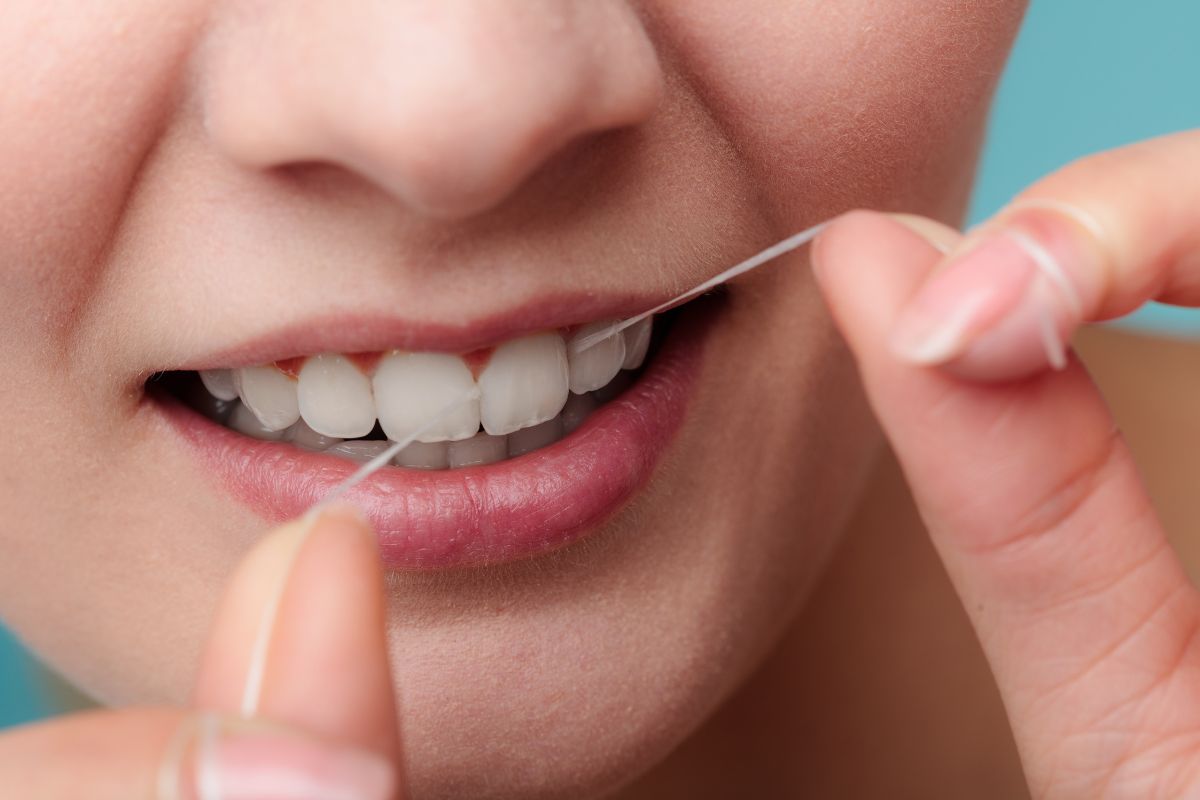
- Use about 18 inches of floss and gently slide it between your teeth
- Curve the floss around each tooth in a “C” shape
- Avoid snapping the floss into your gums
- Try floss picks or water flossers if traditional floss is difficult
The key is consistency, not perfection.
When Should You Floss?
Many dentists recommend flossing once a day, preferably before brushing at night. This helps remove debris so your toothpaste can better reach all surfaces of your teeth.
That said, the best time to floss is whenever you can stick to it consistently. Building a habit is what matters most.
Local Insight: Why Sebring Residents Should Take Flossing Seriously
Living in Sebring, where we enjoy sunny weather, outdoor activities, and community gatherings, maintaining a healthy smile is part of feeling confident and comfortable in daily life.
Whether you’re spending time at Highlands Hammock State Park or enjoying a local event downtown, your oral health plays a role in your overall well-being.
At Dental Care of Mid Florida, we emphasize preventive dental care because it saves time, money, and discomfort in the long run. A simple habit like daily flossing can help you avoid more complex treatments down the road.
When to See a Dentist
Even with excellent brushing and flossing habits, regular dental visits are essential.
You should visit a dentist if you notice:
- Bleeding gums that don’t improve
- Persistent bad breath
- Tooth sensitivity or pain
- Signs of plaque or tartar buildup
Routine checkups and cleanings ensure your oral health stays on track and allow early detection of potential issues.
Final Thoughts
So, do you really need to floss every day?
Absolutely.
Flossing isn’t just an extra step; it’s a critical part of your dental care routine. It protects your teeth, supports healthy gums, and helps prevent costly dental problems in the future.
If you’ve been skipping flossing, now is the perfect time to start. Your smile will thank you.
Take the Next Step Toward a Healthier Smile
Your oral health is too important to ignore. If you have questions about flossing or want personalized dental care, we’re here to help.
Visit our dental office and experience compassionate, high-quality care right here in Sebring. Book an appointment today and take the first step toward a healthier, brighter smile.
FAQs
1. Is flossing every day really necessary?
Yes, flossing daily helps remove plaque and food particles that brushing alone can’t reach, reducing the risk of cavities and gum disease.
2. What happens if I don’t floss regularly?
Skipping flossing can lead to plaque buildup, gum inflammation, bad breath, and eventually more serious dental issues.
3. Can I floss more than once a day?
Yes, but once a day is typically sufficient for most people. Over-flossing aggressively may irritate your gums.
4. Are floss picks as effective as regular floss?
Floss picks can be effective when used properly, especially for people who find traditional floss difficult to use.
5. Should I floss before or after brushing?
Flossing before brushing is often recommended because it helps remove debris, allowing toothpaste to clean more effectively.
6. What if my gums bleed when I floss?
Bleeding gums are often a sign of inflammation. Regular, gentle flossing usually helps improve gum health over time.