Sebring, FL

Why Do My Gums Bleed When I Brush? Causes and Treatments


Seeing a little pink or red in the sink after you brush your teeth can be alarming. It’s a common issue; you’re not alone if it’s happening to you. But what does it mean, and more importantly, what should you do about it?
Bleeding gums are a warning sign from your body that something isn’t quite right. Ignoring them can lead to bigger problems down the road. Let’s dive into the most common reasons your gums might be bleeding and what you can do to get them healthy again.
Common Causes of Bleeding Gums
1. Gingivitis: The #1 Culprit
This is the most frequent cause of bleeding gums. Gingivitis is the first stage of gum disease, and it happens when plaque, a sticky film of bacteria, builds up on your teeth, especially at the gum line. This plaque irritates your gums, causing them to become inflamed, tender, and prone to bleeding.
- How it happens: If you don’t brush and floss effectively, plaque hardens into tartar (or calculus). Tartar can only be removed by a dentist.
- Symptoms: Besides bleeding, you might notice red or swollen gums and bad breath.
2. Aggressive Brushing
You might think brushing harder means you’re cleaning better, but the opposite is true! Using a hard-bristled toothbrush or applying too much pressure can damage the delicate gum tissue, causing it to bleed.
- The solution: Switch to a soft-bristled toothbrush and use a gentle, circular motion. Think of it as massaging your teeth and gums, not scrubbing them.
3. Poor Flossing Habits
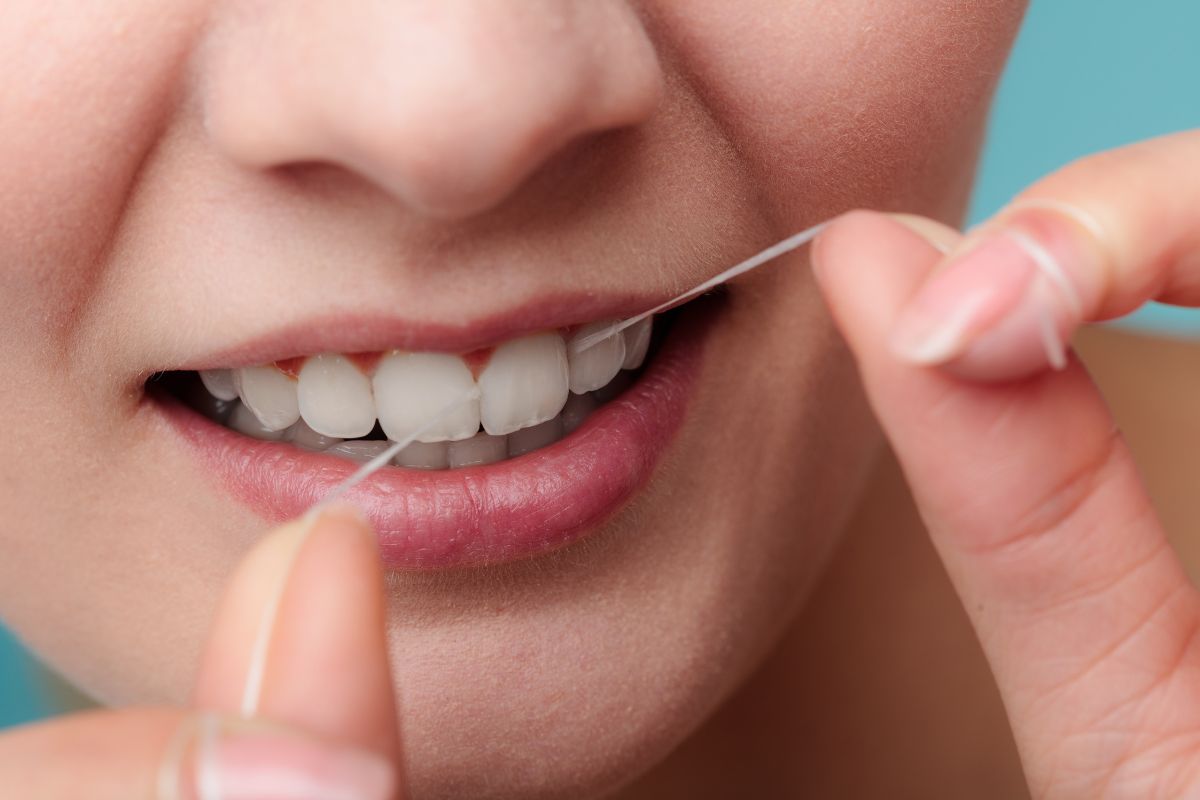
If you’ve just started flossing or haven’t done it in a while, your gums might bleed initially. This is a normal reaction as you dislodge plaque from between your teeth. However, if you floss regularly and it still bleeds, it’s likely a sign of gingivitis.
- The solution: Be consistent! Flossing is crucial for removing plaque that your toothbrush can’t reach. The more you do it, the less your gums will bleed.
4. Hormonal Changes
Changes in hormones can make your gums more sensitive and increase blood flow to the gum tissue, leading to bleeding. This is common during:
- Pregnancy: “Pregnancy gingivitis” is a real thing! The hormonal changes can make your gums more reactive to plaque.
- Puberty and Menstruation: Hormonal shifts during these times can also affect gum health.
5. Medications
Certain medications, like blood thinners, can increase your tendency to bleed, including from your gums. Always let your dentist know about any medications you are taking.
6. Vitamin Deficiencies
A lack of certain vitamins, particularly Vitamin C and Vitamin K, can impact gum health and lead to bleeding. A balanced diet is key to keeping your gums strong.
Treatments and Prevention: How to Stop the Bleeding
The good news is that in most cases, bleeding gums can be treated and prevented with simple changes to your daily routine.
1. Step Up Your Oral Hygiene Game
- Brush twice a day: Use a soft-bristled toothbrush and fluoride toothpaste. Brush gently for two minutes, covering all surfaces of your teeth.
- Floss daily: This is non-negotiable! Flossing removes plaque and food particles from between your teeth and under the gum line.
- Use mouthwash: An antiseptic mouthwash can help reduce bacteria and plaque buildup.
2. Visit Your Dentist Regularly
A professional dental cleaning is the best way to remove plaque and tartar buildup that you can’t eliminate at home. If you’re looking for a top dentist in Sebring, we can help! Regular check-ups are key to catching problems early.
3. Check Your Diet
Eat a balanced diet rich in fruits and vegetables. Foods high in Vitamin C (like oranges and bell peppers) and Vitamin K (like leafy greens) are great for gum health.
4. Don’t Ignore It!
Bleeding gums are not normal. If the bleeding persists even after improving your oral hygiene, it’s a sign that you need to see a dentist. We encourage you to visit our dental office for a thorough examination. Early treatment of gingivitis can prevent it from turning into a more serious condition called periodontitis, which can lead to tooth loss.
Conclusion
Bleeding gums are your mouth’s way of telling you to pay attention. Understanding the causes and taking simple, proactive steps like brushing gently, flossing daily, and visiting your dentist can get your gums back to a healthy, non-bleeding state. Ready to take the next step toward healthier gums? Book an appointment with us today! Don’t wait—take control of your oral health today!