Sebring, FL

Unhealthy Smile and Bad Breath: What’s the Connection?


A bright, healthy smile is more than just a cosmetic asset; it reflects your overall oral health. But what happens when a less-than-pleasant odor accompanies that smile? The connection between an unhealthy smile and bad breath, or halitosis, isn’t coincidental. It’s a deep-rooted relationship, where one often signals the presence of the other. Understanding this link is the first step toward reclaiming your fresh breath and a confident smile.
The Culprit: Bacteria and Plaque
The primary cause of both unhealthy teeth and bad breath is the same: bacteria. Our mouths are home to a vast ecosystem of microorganisms. While many are harmless, some can be quite destructive. When we consume food and drinks, especially those high in sugar and carbohydrates, these bacteria feed on the leftover particles. In the process, they release foul-smelling volatile sulfur compounds (VSCs). These are the same compounds that give rotten eggs and skunks their distinctive odor.
If not properly cleaned, these bacteria form a sticky, colorless film on our teeth called plaque. Plaque is the breeding ground for further bacterial growth, and its presence is the foundation for many oral health issues.
The Domino Effect: From Plaque to Gum Disease
Plaque buildup isn’t just about bad breath; it’s the precursor to more serious conditions. Left unchecked, plaque hardens into tartar, a calcified substance that can only be removed by a dental professional. Tartar further irritates the gums, leading to inflammation and gingivitis, the earliest stage of gum disease.
Gingivitis is characterized by red, swollen, and bleeding gums. As the gums become more inflamed, they create deeper pockets around the teeth, providing more space for bacteria to thrive and produce VSCs. This is a vicious cycle: the more advanced the gum disease, the more severe the bad breath becomes.
If gingivitis isn’t treated, it can progress to periodontitis. In this advanced stage of gum disease, the bacterial infection spreads to the bone and tissues supporting the teeth, leading to tooth loosening and, eventually, tooth loss. The decay and destruction caused by periodontitis release more odor-producing bacteria, intensifying the halitosis.
Other Oral Health Issues Contributing to Bad Breath
While plaque and gum disease are the most common causes of bad breath, other oral health problems can also cause it.
- Tooth Decay (Cavities): Cavities are essentially holes in your teeth caused by acid-producing bacteria. These holes can trap food particles and bacteria, creating a perfect environment for them to ferment and produce foul odors.
- Dry Mouth (Xerostomia): Saliva plays a crucial role in oral health. It helps wash away food particles and bacteria and neutralizes acids. When you don’t produce enough saliva, your mouth becomes a breeding ground for odor-producing bacteria. Medications, certain medical conditions, and lifestyle factors can all cause dry mouth.
- Poorly Fitting Dentures or Appliances: Ill-fitting dentures or other dental appliances can trap food and bacteria, leading to a buildup of plaque and a subsequent odor.
- Oral Thrush: This fungal infection can coat the tongue and mouth with a white film, which can harbor bacteria and cause a musty odor.
If you’re looking for a top-rated dentist in Sebring to help with your oral health, we can assist. To learn more about how we can help, please visit our dental office and speak with our friendly team.
Breaking the Cycle: A Path to a Healthy Smile and Fresh Breath
The good news is that tackling bad breath and an unhealthy smile go hand in hand. The solution is rooted in a consistent and effective oral hygiene routine.
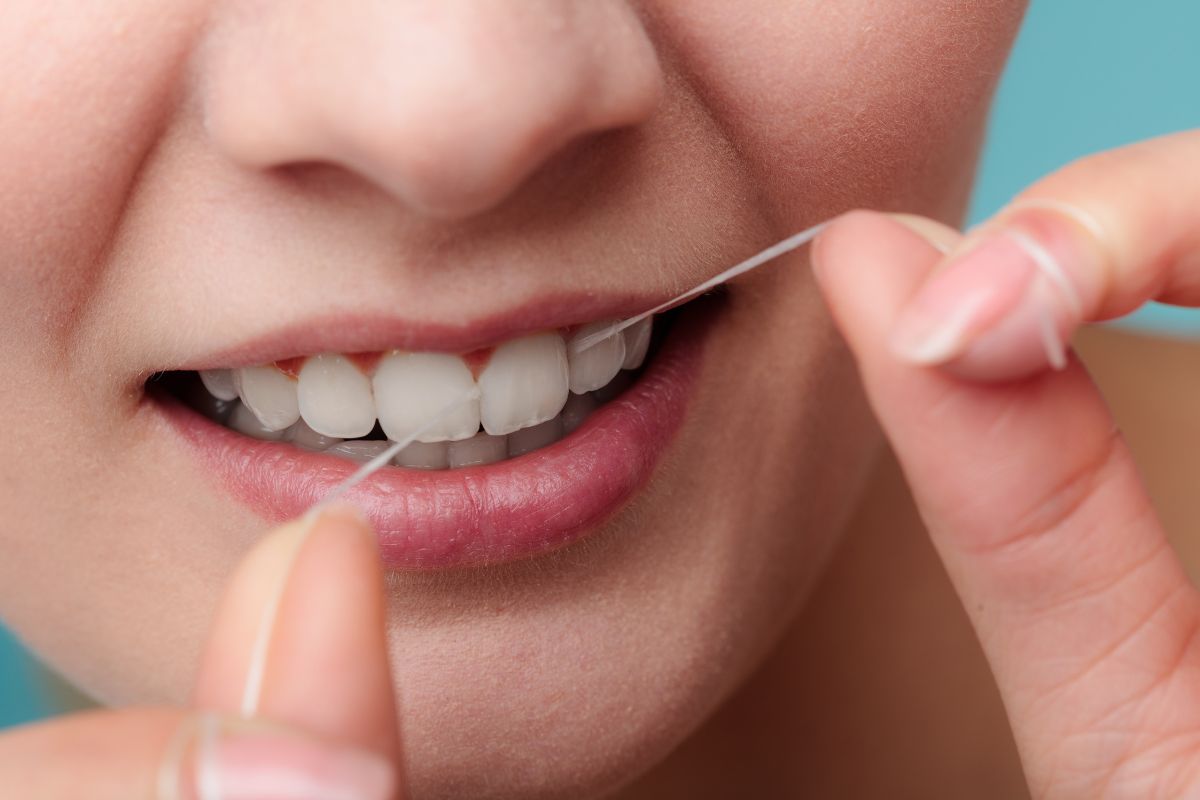
- Brush and Floss Religiously: Brushing twice a day for two minutes with a fluoride toothpaste is non-negotiable. Even more critical is daily flossing, as it removes plaque and food particles from between your teeth and under the gumline where your toothbrush can’t reach.
- Clean Your Tongue: The back of your tongue is a common source of odor-producing bacteria. Use a tongue scraper or the back of your toothbrush to gently remove this buildup every time you brush.
- Stay Hydrated: Drinking plenty of water helps rinse away food particles and keeps your mouth moist, combating dry mouth.
- Regular Dental Check-ups: Visiting your dentist for professional cleanings and check-ups at least twice a year is vital. They can remove stubborn plaque and tartar and identify and treat oral health issues before they escalate.
The Bottom Line
An unhealthy smile and bad breath are two sides of the same coin. They are both symptoms of underlying oral health issues, primarily the overgrowth of bacteria. By understanding this connection and adopting a proactive approach to your oral hygiene, you can address the root cause, banish bad breath, and restore the health and confidence of your smile. Don’t let bad breath be a silent alarm for your oral health; listen to its warning and take action. Ready to take the first step toward a healthier mouth? You can easily book an appointment with us online or over the phone today.