Sebring, FL

Train Your Child to Be a Flossing Ninja: A Parent’s Guide to Healthy Habits


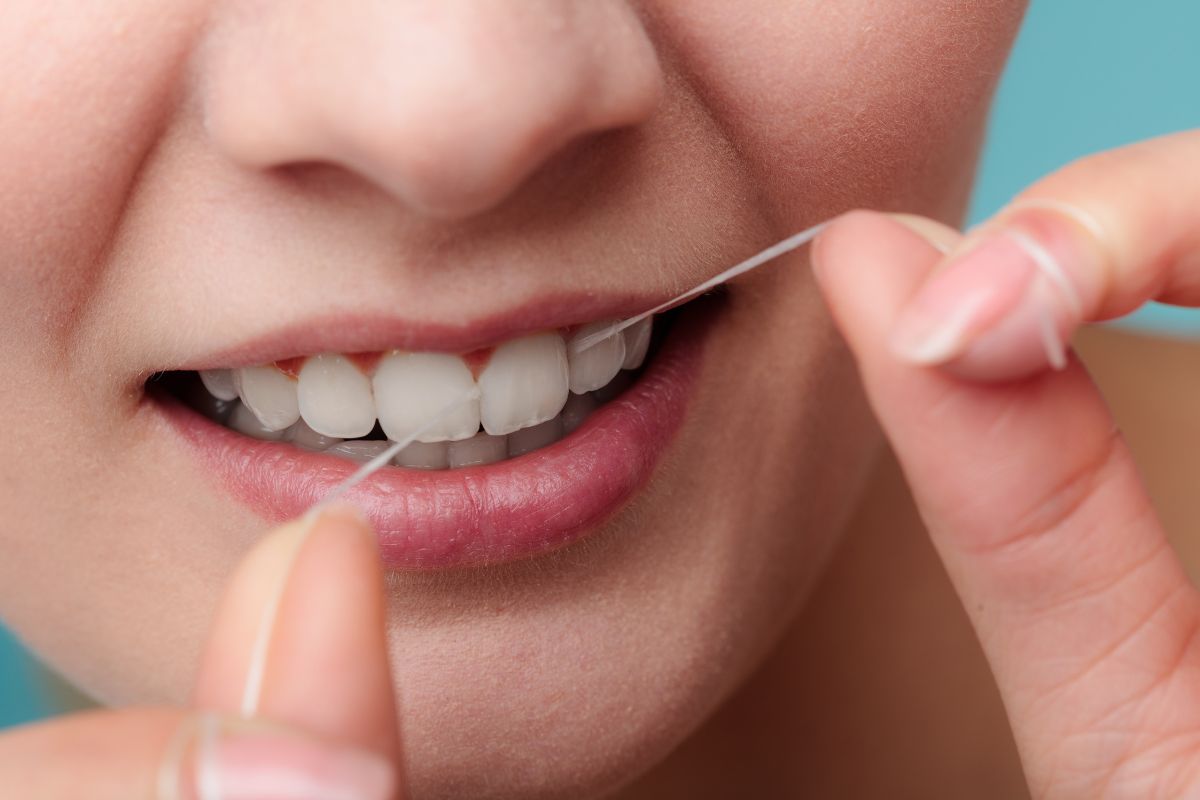
Teaching your child to floss is one of the most valuable steps you can take to protect their oral health. While brushing cleans the visible surfaces of teeth, flossing removes plaque and food particles hiding between teeth and along the gumline. These areas are often where cavities and gum issues begin. Helping your child learn to floss early builds strong habits that can last a lifetime and supports a healthier, more confident smile as they grow.
Why Flossing Is Essential for Children
Many parents focus on brushing twice a day, but flossing is just as important. Children’s teeth, especially baby teeth, are often close together, making it easy for food to get trapped between them.
Prevents Cavities and Gum Problems
Flossing removes plaque from areas a toothbrush cannot reach. If plaque is left behind, it can harden into tartar, increasing the risk of cavities and early gum inflammation.
Protects Baby Teeth and Adult Teeth
Healthy baby teeth help guide adult teeth into the proper position. When baby teeth are lost too early due to decay, spacing issues and alignment problems may develop later.
Builds Lifelong Oral Care Habits
Children who learn to floss at a young age are more likely to continue the habit into adulthood, reducing the likelihood of major dental issues later in life.
When Should You Start Flossing Your Child’s Teeth?
A common question parents ask is when flossing should begin. The general rule is simple: start flossing when teeth begin touching. This usually happens between the ages of two and three, though it may vary for each child.
Before teeth touch, flossing is not always necessary. Once teeth sit close together, however, food and plaque can become trapped, making flossing an essential part of daily oral care. At this stage, parents should assist with flossing to ensure it is done gently and correctly.
How to Teach Your Child to Floss Properly
Teaching flossing does not need to be complicated. Breaking it down into small, easy steps helps children feel confident and comfortable.
Demonstrate the Technique
Children learn best by watching. Let your child observe you flossing your own teeth. Explain what you are doing in simple terms, such as cleaning the “hidden spaces” between teeth.
Use the Right Tools
Floss picks, or child-friendly flossers, are often easier for young hands to manage. These tools allow children to focus on the motion rather than struggling with long strands of floss.
Guide Their Hands
At first, stand behind your child and gently guide their hands. This helps them learn the correct movement and pressure without hurting their gums.
Making Flossing Fun and Engaging
Flossing does not have to feel like a chore. Turning it into a fun activity can make a big difference in how your child feels about oral care.
Let Your Child Choose
Allow your child to pick their own flossers, whether they are colorful, shaped like animals, or lightly flavored. This sense of choice helps them feel involved.
Use Music or a Timer
Playing a favorite song or using a short timer can help flossing feel like a game instead of a task. It also ensures enough time is spent cleaning thoroughly.
Create a Reward System
Sticker charts or small rewards for consistent flossing can motivate children. Positive reinforcement encourages them to stick with the habit without pressure or frustration.
Handling Resistance and Frustration
It is normal for children to resist flossing at first. New routines take time to feel comfortable.
Be Patient and Positive
Avoid forcing or scolding. Praise effort, even if your child does not floss perfectly at first. Confidence grows with encouragement.
Floss Together
Making flossing a family activity shows your child that everyone does it. Children are more likely to copy behaviors they see their parents practice daily.
Keep Sessions Short
If your child becomes overwhelmed, focus on just a few teeth at a time. Gradually increase as they become more comfortable with the routine.
Helpful Flossing Tips for Parents
To keep flossing safe and effective, remember these important tips:
- Use gentle pressure and never snap the floss into the gums
- Use a clean section of floss for each tooth
- Floss at least once a day, preferably at the same time each evening
- Supervise flossing until your child develops proper coordination
Consistency matters more than perfection. Even a short daily flossing routine can make a noticeable difference in your child’s oral health.
When to Seek Professional Guidance
If your child has crowded teeth, braces, or experiences discomfort during flossing, professional guidance can help. A trusted Sebring dentist can demonstrate proper flossing techniques and recommend tools that make the process easier for your child. Regular dental visits also allow for early detection of issues that flossing alone cannot prevent.
If you have questions about your child’s oral care routine or want personalized advice, you can always visit our dental office for friendly, family-focused support. Our team is happy to help parents feel confident about their child’s dental habits and overall oral health.
Building Healthy Smiles for the Future
Teaching your child to floss is an investment in their long-term well-being. With patience, encouragement, and a little creativity, flossing can become a normal and even enjoyable part of their daily routine. Starting early helps protect baby teeth, supports healthy adult teeth, and reduces the risk of dental problems down the road.
If you are ready to support your child’s smile with professional care, you can easily book an appointment and take the next step toward lifelong oral health for your family.