Sebring, FL

Is Laser Therapy Effective for Advanced Gum Disease

Gum disease, or periodontitis, is a serious bacterial infection that damages the soft tissue and, left untreated, can destroy the bone that supports your teeth, leading to tooth loss. When the disease progresses to its advanced stages, it often requires aggressive treatment. Traditionally, this has meant invasive surgery involving scalpels and sutures.
Today, advanced dental technology offers a less invasive option: Laser Therapy, most notably the Laser-Assisted New Attachment Procedure (LANAP). But the crucial question remains: Is laser therapy truly effective for advanced gum disease? This article dives deep into the science, benefits, and current professional consensus to give you the most informed answer.
Understanding Advanced Gum Disease (Periodontitis)
Advanced periodontitis is characterized by significant bone loss, deep periodontal pockets (the space between the tooth and gum), gum recession, and often, tooth mobility. The primary goal of treatment is to eliminate the infection, reduce pocket depth, stop bone loss, and, ideally, regenerate lost gum and bone tissue.
Conventional treatment for this stage often involves Osseous Surgery or Pocket Reduction Surgery, which requires cutting the gum tissue (using a scalpel) to fold back a flap. This allows the dentist to access and clean the root surfaces and reshape the bone before stitching the gums back into place. This is highly effective but comes with longer recovery times, pain, swelling, and predictable gum recession.
The Laser Solution: How LANAP Works
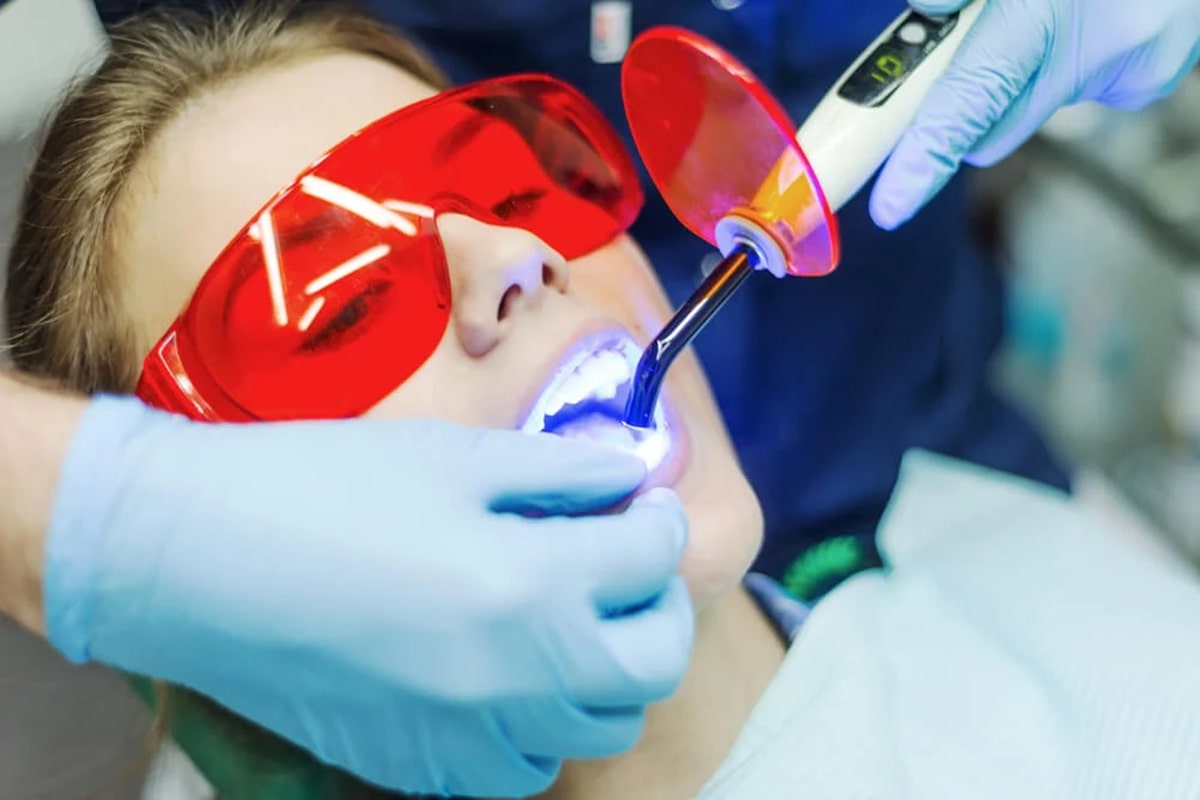
LANAP is an FDA-cleared, minimally invasive protocol that uses a specialized pulsed Nd: YAG dental laser (PerioLase MVP-7) to treat periodontitis. The core difference is the “no cut, no sew” approach.
The Laser Advantage:
- Targeted Bacteria Elimination: The laser light energy is selectively absorbed by the diseased, dark-pigmented tissue and the harmful bacteria within the periodontal pocket. It vaporizes the bacteria and infected tissue while leaving the underlying healthy gum and bone tissue relatively untouched.
- Calculus and Tartar Removal (Adjunct): While the laser kills bacteria, it is typically used in conjunction with conventional mechanical instruments (like ultrasonic scalers) to ensure hardened tartar (calculus), which the laser cannot fully remove, is thoroughly cleaned from the root surface.
- Tissue Regeneration: One of the most significant claims of LANAP is its potential for regeneration. The laser stimulates the bone and cementum (the tissue covering the tooth root), encouraging the body to form new ligament and bone attachment. It also helps create a stable fibrin clot, effectively sealing the treated area to promote healing and reduce the risk of re-infection.
Is Laser Therapy Effective? The Evidence and Consensus
For many patients, laser therapy, particularly LANAP, offers significant clinical benefits compared to traditional surgery:
Pros: A Patient-Centric Approach
- Minimal Invasiveness: No scalpel and no sutures mean less trauma to the gums.
- Reduced Pain and Bleeding: The laser seals blood vessels and nerve endings as it works, leading to significantly less post-operative discomfort, swelling, and bleeding.
- Faster Recovery: Patients typically experience less downtime and can often return to normal activities within 24 hours.
- Preservation of Healthy Tissue: The precision of the laser minimizes gum recession, helping to preserve a more natural appearance.
- Regenerative Potential: Scientific studies, including those specifically for LANAP, have shown the potential for new connective tissue attachment and even bone regeneration around the tooth roots, a capability not reliably offered by traditional surgery alone.
Cons: Cost and Comparative Efficacy
- Cost: Laser therapy often costs more than traditional surgery due to the advanced technology and required specialized training.
- Not a Complete Substitute: Experts agree that in most cases, particularly for advanced periodontitis, laser treatment is most effective when used as an adjunct (a supplementary treatment) to traditional scaling and root planing, not a standalone replacement for mechanical debridement. The laser alone cannot always effectively remove large deposits of hardened calculus.
- Severity Limitations: In the most severe cases involving complex bone defects or extremely deep pockets, traditional flap surgery might still be necessary to ensure complete access and visibility for defect correction.
Conclusion: A Highly Effective, Minimally Invasive Option
Laser therapy, specifically the established LANAP protocol, represents a highly effective and transformative treatment option for patients with moderate to advanced gum disease. The scientific evidence supports its use as a powerful adjunct to conventional non-surgical treatment, offering superior comfort, quicker healing, reduced recession, and the potential for tissue and bone regeneration.
While it may not replace traditional surgery in every single complex case, its benefits in minimal pain, rapid recovery, and excellent clinical outcomes make it a preferred choice for many periodontists and patients seeking to save their natural teeth with the least amount of trauma.
The final recommendation? If you have been diagnosed with advanced gum disease, consult a board-certified periodontist trained and experienced in laser therapy (LANAP) to determine if this innovative, patient-friendly procedure is the best path to restoring oral health. We invite you to visit our dental office for a comprehensive consultation to learn more about this treatment and see if you are a candidate. Don’t delay—book an appointment today to take the first step toward a healthier smile.