Sebring, FL

Is Mouthwash Really Necessary? A Dentist’s Opinion

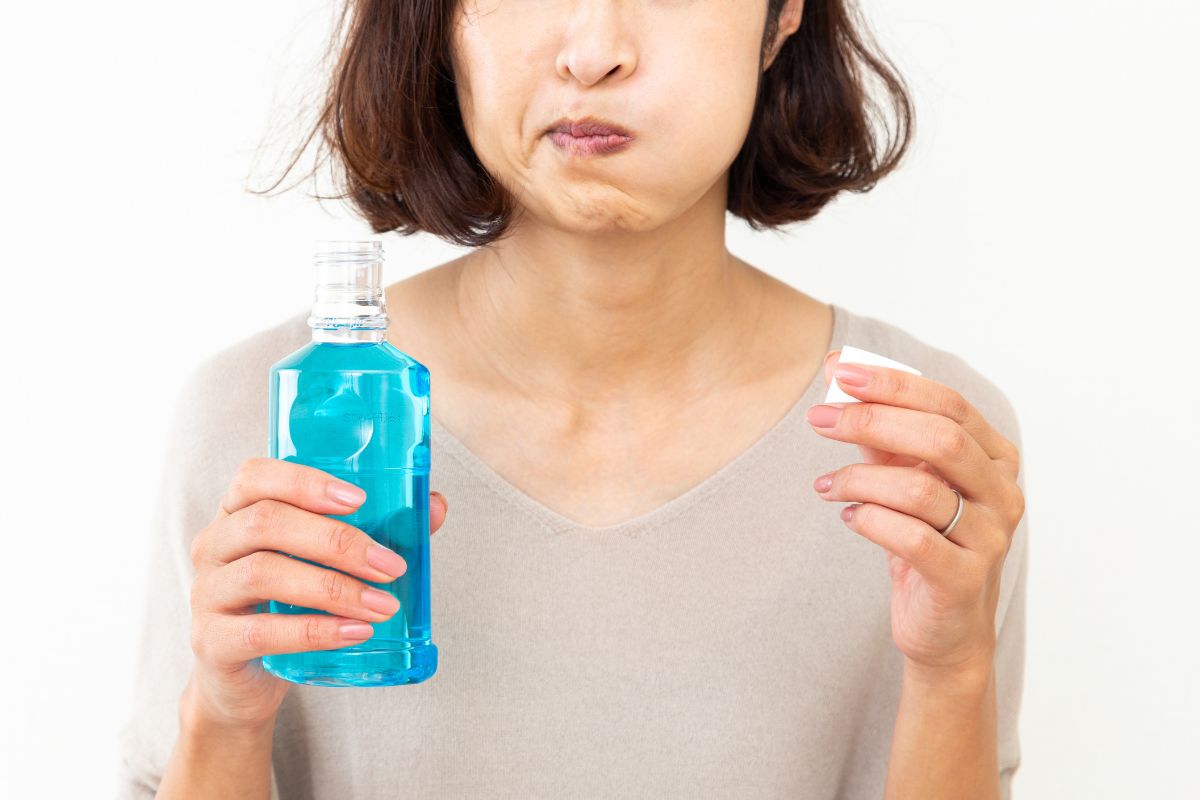
The aisle dedicated to mouthwash at your local pharmacy is extensive, promising everything from fresh breath to cavity prevention. But amidst the dazzling array of bottles, a fundamental question remains: Is mouthwash truly a necessary part of a complete oral hygiene routine?
As dentists, our answer isn’t a simple yes or no. The necessity of mouthwash hinges entirely on your individual oral health needs, the type of rinse you choose, and, most importantly, how it complements—but never replaces—brushing and flossing.
Mouthwash: A Supplemental Tool, Not a Substitute
Let’s be clear: a fresh minty feeling is not a substitute for mechanically removing plaque.
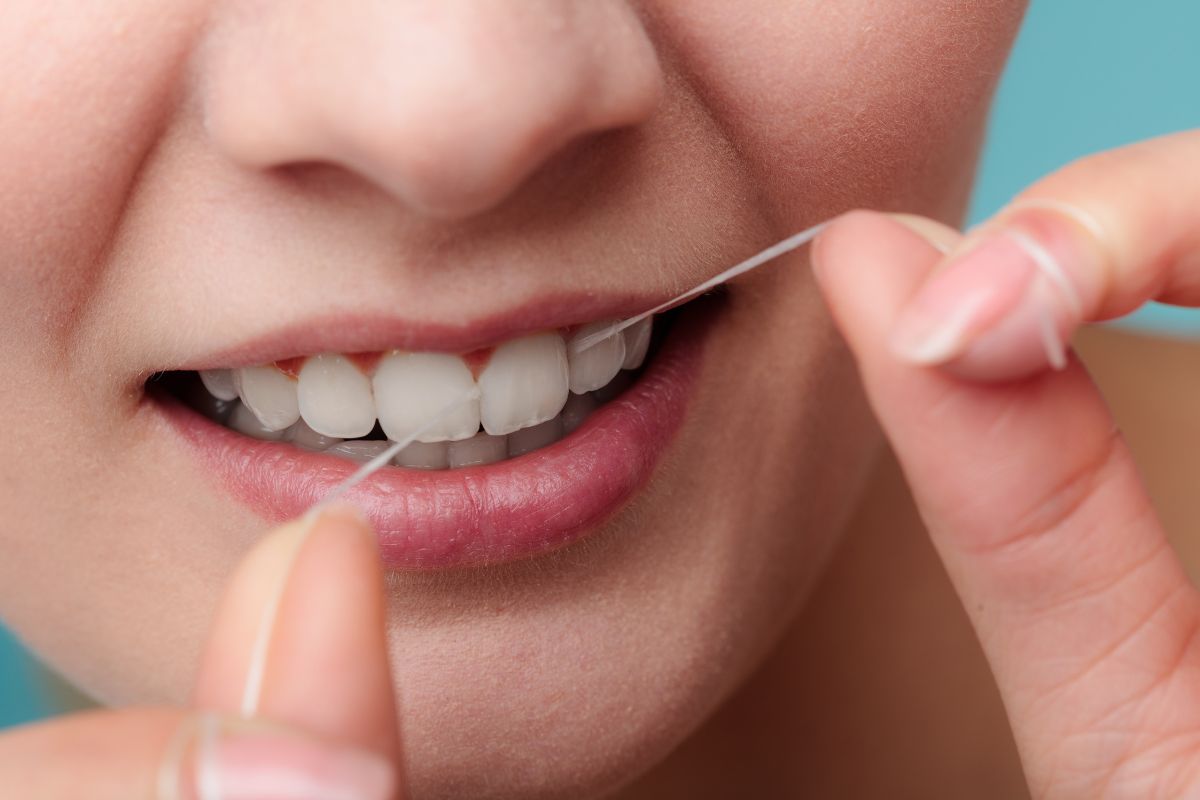
The foundation of oral health is the gold standard: brushing twice daily with a fluoride toothpaste and flossing once a day. Brushing removes plaque from tooth surfaces, and flossing cleans the crucial tight spaces between teeth and under the gumline. Mouthwash simply cannot physically remove the sticky film of bacteria that causes decay and gum disease. Think of brushing and flossing as building the house, and mouthwash as a supporting sealant or a paint job—helpful, but useless on a crumbling foundation.
Decoding the Mouthwash Aisle: Cosmetic vs. Therapeutic
To understand if mouthwash is necessary for you, you must first understand the two main categories: cosmetic and therapeutic.
Cosmetic Mouthwash primarily masks bad breath (halitosis) and leaves a pleasant taste. It offers no clinical benefit against plaque, gingivitis, or cavities, and is not necessary for health. If you rely on this to cover up chronic bad breath, you’re masking a deeper issue that needs professional attention.
Therapeutic Mouthwash, on the other hand, contains active ingredients designed to provide clinical benefits, and these are the ones we may recommend.
- Fluoride Rinses strengthen enamel and prevent decay/cavities. They are often recommended for those at high cavity risk, orthodontic patients, or people with dry mouth.
- Antiseptic/Antiplaque Rinses reduce plaque and fight gingivitis (early gum disease). They are useful for patients with mild gum inflammation or those in post-operative care.
- Prescription Rinses (like Chlorhexidine) offer strong antibacterial action and are used temporarily for severe gum disease or following specific oral surgeries.
- Dry Mouth Rinses replenish moisture and soothe irritation for patients dealing with chronic dry mouth (xerostomia), often caused by medication.
When Mouthwash Becomes a Valuable Ally
For some patients, a therapeutic rinse is indeed highly recommended and can make a significant difference. If you are looking for a reliable and experienced dentist in Sebring, we can help evaluate your need for specialized oral care products.
Mouthwash becomes a crucial tool in several scenarios:
- Individuals with High-Risk Factors: If you are prone to cavities, gum disease, or have systemic conditions like diabetes that affect oral health, an antimicrobial or fluoride rinse can provide an essential extra layer of protection.
- Patients with Braces or Dental Work: Orthodontic brackets and wires create numerous traps for food and plaque, making thorough cleaning difficult. A rinse can help flush out debris and reach areas the brush misses.
- Following Oral Surgery: Dentists often prescribe specific, temporary rinses to keep the surgical site clean and prevent infection while brushing is restricted.
- For Targeted Issues: Rinses specifically formulated for sensitive teeth or chronic dry mouth can directly address those concerns, improving comfort and reducing the associated health risks.
Potential Drawbacks and Precautions
It’s important to use mouthwash correctly, as misuse can sometimes be detrimental:
- Timing Matters: Rinsing immediately after brushing with fluoride toothpaste can wash away the protective fluoride concentration left on your teeth. Wait at least 30 minutes after brushing to use a mouthwash, unless your dentist instructs otherwise.
- The Alcohol Factor: Many popular mouthwashes contain alcohol, which can cause an unpleasant burning sensation and, more critically, may dry out the mouth. A dry mouth actually increases the risk of decay and bad breath. If you experience irritation or dryness, switch to an alcohol-free formula.
- Masking a Problem: Over-relying on a cosmetic rinse to fix chronic bad breath can lead to serious underlying conditions (like severe decay or gum disease) going untreated. If you have persistent concerns, we encourage you to visit our dental office for a comprehensive evaluation.
The Dentist’s Bottom Line
Is mouthwash a necessity for everyone? No.
If you have excellent oral hygiene—brushing twice a day, flossing daily, and attending regular dental checkups—you may not need it.
Is mouthwash a helpful, sometimes crucial tool for many? Absolutely.
The key to solving your query is simple: Consult your dentist. They can assess your unique risk profile (e.g., high cavity risk, early gingivitis) and recommend a specific therapeutic rinse with the American Dental Association (ADA) Seal of Acceptance formulated to meet your needs. Don’t let the confusion of the aisle dictate your choice; let professional, evidence-based advice guide your routine. To get started with a personalized oral health plan, we invite you to book an appointment with our team today!