Sebring, FL

How Often Should You Really Brush and Floss?

Taking care of your teeth isn’t just about having a sparkling smile — it’s about keeping your mouth healthy for life. Brushing and flossing are the two cornerstones of oral hygiene, but many people still wonder: How often should you actually do them? Let’s break it down in a clear, practical way that you can apply every day.
The Basics: What Dentists Recommend
Most dentists — and the American Dental Association (ADA) — recommend brushing your teeth twice a day and flossing once a day. These guidelines aren’t random. They’re based on years of research showing that brushing and flossing help prevent plaque buildup, tooth decay, and gum disease.
- Brushing twice daily removes food particles and plaque that build up throughout the day and overnight.
- Flossing once daily cleans the tight spaces between your teeth that your toothbrush can’t reach.
However, recommendations are only helpful if we understand the “why” behind them and how to implement them properly.
Why Brushing Twice a Day Is So Important
Brushing your teeth isn’t just about fresh breath, though that’s a nice bonus. It’s about removing plaque, a sticky film of bacteria that forms on your teeth. If not removed, plaque hardens into tartar and can lead to cavities and gum disease.
Morning and Night Matter
Brushing in the morning removes bacteria that accumulate overnight, helping you start the day fresh. Brushing before bed is even more critical. When you sleep, your saliva production slows down, making it easier for bacteria to multiply. Going to bed without brushing means those bacteria get to work all night long.
The Right Way to Brush
For brushing to be effective, it’s not just about frequency — it’s also about technique. Here are a few tips:
- Use a soft-bristled toothbrush and fluoride toothpaste.
- Brush for two full minutes.
- Don’t scrub too hard — gentle circles are best.
- Replace your toothbrush every 3 to 4 months or sooner if the bristles are frayed.
Flossing: The Often-Skipped Step
Flossing once a day is just as essential as brushing. It removes plaque and food particles between your teeth and under the gumline, where your toothbrush can’t reach. Skipping flossing allows plaque to build up in these hidden areas, increasing the risk of cavities and gum disease.
When Should You Floss?
The best time to floss is whenever you can commit to doing it consistently. Some people prefer flossing at night to go to bed with a clean mouth, while others like to floss in the morning. The key is to make it a daily habit.
Flossing Tips
- Use about 18 inches of dental floss, winding most of it around your fingers and using a fresh section for each tooth.
- Gently slide the floss between your teeth, curve it around each tooth, and move it up and down.
- If traditional floss is difficult to use, try alternatives like floss picks, soft picks, or a water flosser.
What Happens If You Skip Brushing or Flossing?
Occasionally, forgetting to brush or floss might not seem like a big deal, but it can quickly become a problem if it turns into a habit.
Without proper brushing and flossing:
- Plaque can harden into tartar, which only a dental professional can remove.
- Bacterial buildup can lead to bad breath, cavities, and gum inflammation.
- Over time, this can escalate to gum disease, tooth loss, and even health issues like heart disease and diabetes.
If you’re unsure about your oral care routine, a visit with a trusted dentist in Sebring can help you get back on track and protect your long-term dental health.
Special Situations: Do You Need to Brush or Floss More?
Some people may need to brush or floss more often based on their dental needs:
- Braces or orthodontic appliances: Food gets trapped more easily, so extra care is needed.
- Gum disease: Your dentist may recommend more frequent cleaning to manage the condition.
- Dry mouth or diabetes: These conditions can increase your risk of cavities and gum disease.
If any of these apply to you, don’t hesitate to visit our dental office and speak with a hygienist or dentist for personalized guidance.
The Bottom Line
To maintain healthy teeth and gums for life, brushing twice a day and flossing once a day are essential. It’s a small investment of time that can save you from big dental problems down the road. Make it part of your daily routine, just like eating and sleeping.
And don’t forget: Regular dental checkups (usually every six months) are just as important. Your dentist can spot early signs of issues and help you stay on track with your oral care routine.
A Healthy Smile Starts with Consistency
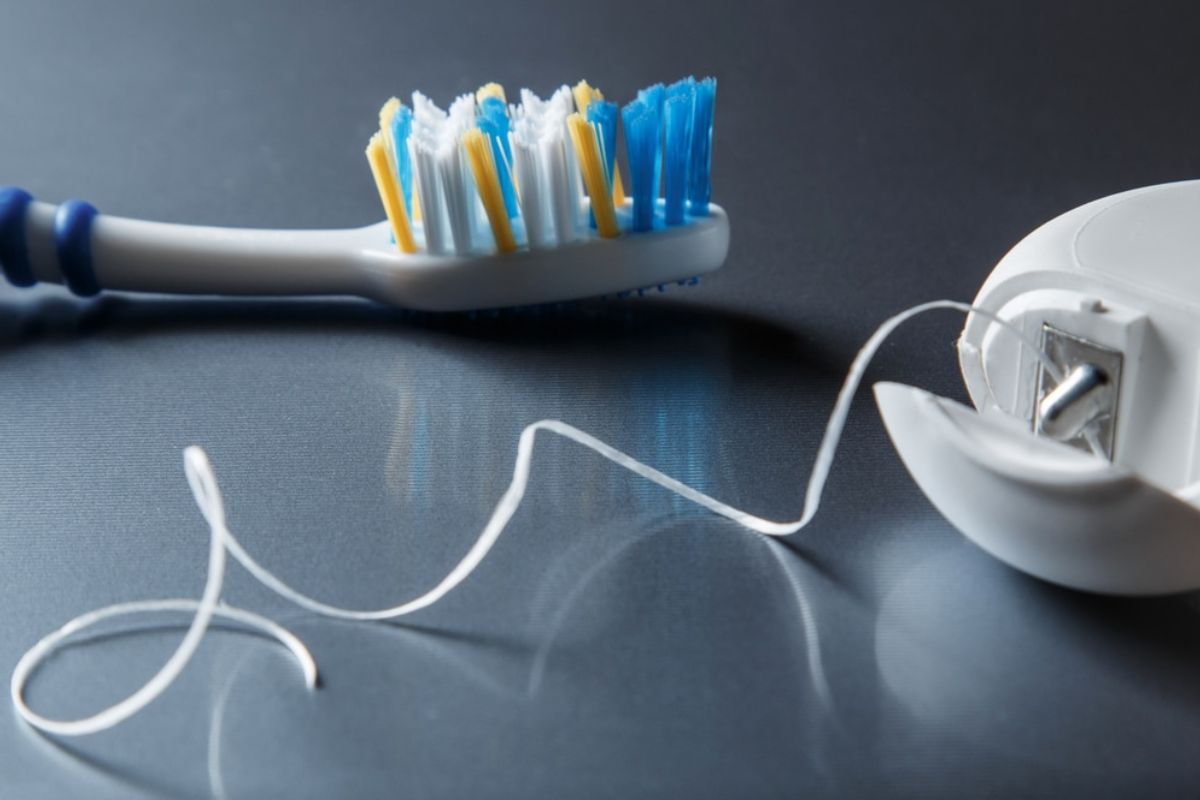
You don’t need fancy tools or complicated routines — just a toothbrush, floss, and a few minutes each day. Your future self (and your smile) will thank you.
If you haven’t flossed today, it’s never too late to start. And if it’s been a while since your last dental visit, now’s a great time to book an appointment and keep your smile healthy and strong.