Sebring, FL

How Can a Dentist Help Prevent Cavities and Tooth Decay?

Tooth decay is one of the most common chronic conditions in the United States, yet it is also largely preventable. While brushing and flossing at home are your first lines of defence, a solid at-home routine is only part of the equation. Professional dental care plays an indispensable role in stopping cavities before they start, catching early warning signs, and strengthening your enamel against everyday wear and tear.
If you are looking for proactive ways to protect your smile, partnering with a trusted professional makes all the difference. For residents looking to safeguard their oral health, finding an experienced dentist is the best step you can take toward a lifetime of healthy teeth.
The Hidden Progression of Tooth Decay
Tooth decay doesn’t happen overnight. It is a gradual process driven by the bacteria that naturally live inside our mouths. When you consume foods and beverages containing sugars and starches, these bacteria feed on the residue, producing a mild acid as a byproduct.
Over time, this acid eats away at your tooth enamel, the hard, protective outer layer of your teeth.
- Stage 1 (Demineralization): Minerals are lost from the enamel, often appearing as a chalky white spot on the tooth surface. At this stage, decay can often be reversed.
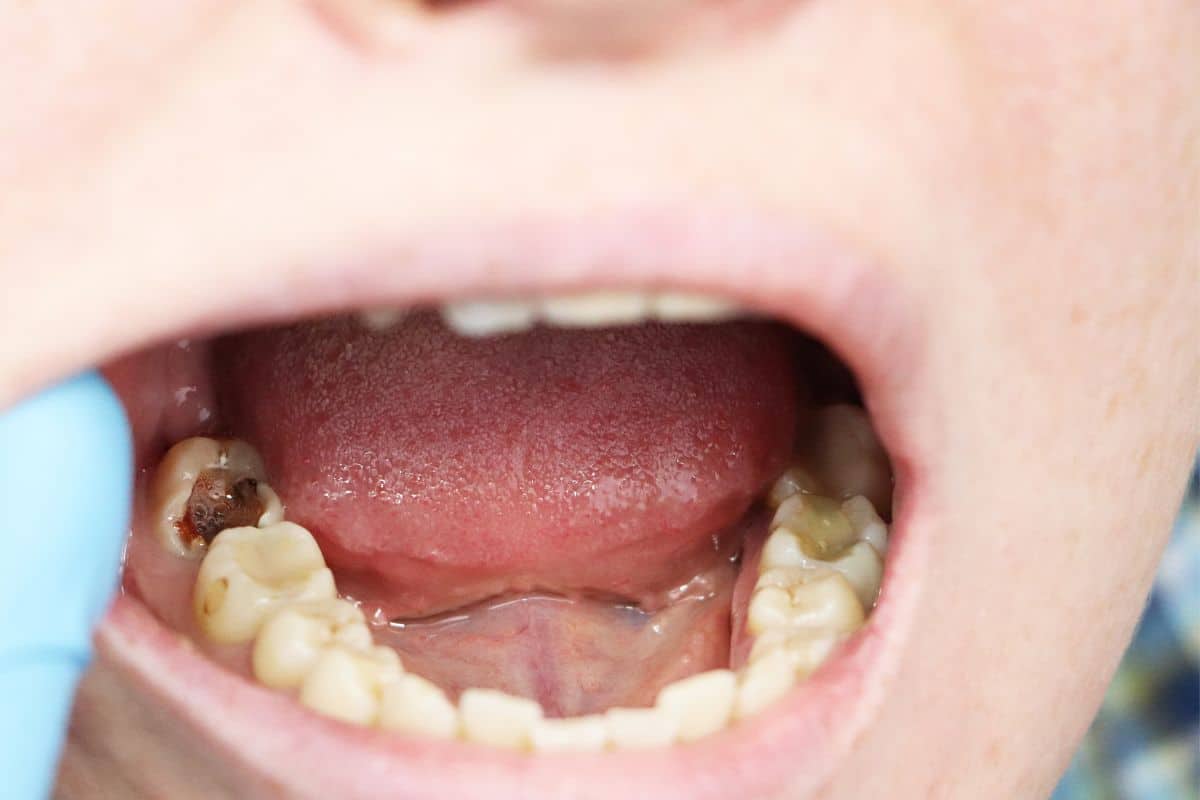
- Stage 2 (Enamel Decay): If left unchecked, the enamel breaks down completely, forming a tiny cavity.
- Stage 3 (Dentin Decay): The decay reaches the softer layer beneath the enamel called dentin. Because dentin is softer and contains microscopic pathways leading to the nerve, you may begin to experience sensitivity to hot, cold, or sweet foods.
- Stage 4 (Pulp Involvement): If the decay penetrates deep into the pulp (the centre of the tooth housing blood vessels and nerves), it can cause severe pain, inflammation, and eventually lead to an abscess.
Because early-stage decay rarely hurts, many people assume their teeth are healthy until a small problem turns into a major dental emergency. This is why regular professional intervention is so crucial.
Professional Preventive Services: What Happens at the Dentist’s Office?
Visiting a dental clinic regularly is about much more than just a routine polish. Professional preventative care provides clinical-grade protection that simply cannot be replicated at home.
1. Comprehensive Professional Cleanings (Prophylaxis)
Even with diligent brushing twice a day and daily flossing, plaque inevitably accumulates in hard-to-reach areas. Over time, leftover plaque hardens into tartar (calculus), which bonds stubbornly to your tooth surfaces. Tartar cannot be removed with a standard toothbrush; it requires specialized dental instruments. A professional cleaning safely strips away plaque and tartar, eliminating the breeding grounds for decay-causing bacteria.
2. Early Detection Through Advanced Diagnostics
Dentists are trained to spot microscopic fractures, hidden decay between teeth, and early demineralization spots long before they cause physical discomfort. Using high-definition digital X-rays and intraoral cameras, your dental team can look beneath the surface and inside the grooves of your molars to catch cavities while they are still tiny and inexpensive to treat.
3. Professional Fluoride Treatments
Fluoride is a naturally occurring mineral that actively rebuilds weakened tooth enamel. While many municipal water supplies and toothpastes contain fluoride, professional in-office treatments use a much higher concentration gel, foam, or varnish. Applied in just a few minutes during your checkup, this treatment bathes your teeth in restorative minerals, making your enamel significantly more resistant to future acid attacks.
4. Dental Sealants for Added Protection
The chewing surfaces of your back teeth (molars) feature deep grooves and tiny pits where food particles and bacteria easily trap themselves. Because toothbrush bristles are often too wide to sweep out these microscopic crevices, back teeth are prime targets for cavities. A dental sealant is a thin, protective plastic coating painted onto the chewing surfaces of the molars. It acts as a physical shield, sealing out food debris and bacteria for years at a time.
Customized Home Care Guidance
No two smiles are identical. Some people are genetically predisposed to weaker enamel, while others experience dry mouth due to medications, making them more vulnerable to rapid decay.
When you visit our dental office, you receive personalized advice tailored specifically to your unique oral anatomy and lifestyle. Your dental team can evaluate your brushing and flossing techniques, recommend the ideal toothbrush firmness, suggest specific prescription-strength toothpastes or therapeutic mouthwashes, and offer nutritional guidance on how dietary choices impact your long-term oral health.
Taking Action for Your Smile
Preventing tooth decay is a collaborative effort between your daily hygiene habits and professional clinical care. By combining consistent home brushing with routine preventative dental visits, you can drastically reduce your risk of cavities, avoid invasive restorative procedures, and keep your natural teeth bright, strong, and functional for decades to come.
Ready to take control of your dental health and protect your smile from future decay? We invite you to book an appointment with our dedicated team today to experience compassionate, high-quality care.
Frequently Asked Questions
1. How often should I see a dentist to prevent cavities?
For most individuals, visiting the dentist for a routine checkup and cleaning every six months is the gold standard. However, if you have a history of frequent cavities, gum disease, or specific medical conditions like diabetes, your dentist may recommend more frequent visits, such as every three or four months, to stay ahead of potential issues.
2. Are dental sealants only for children?
While dental sealants are most commonly applied to children and teenagers as soon as their permanent molars erupt, adults with deep grooves in their teeth who are prone to decay can also benefit greatly from them.
3. Can a cavity heal itself without a filling?
In the earliest stage of decay, known as demineralization, weakened enamel can sometimes be repaired or remineralized through improved oral hygiene, dietary changes, and professional fluoride treatments. However, once a physical hole or cavity has actually formed in the enamel, it cannot reverse itself and requires professional treatment, such as a filling, to stop the progression.
4. What can I expect during a routine preventive dental visit?
A standard preventive visit typically includes a thorough professional cleaning to remove plaque and tartar, a comprehensive examination of your teeth, gums, and oral tissues, any necessary digital X-rays, and an oral cancer screening. Your dentist will also discuss any findings with you and provide customized recommendations for your home care routine.
Related Articles
[theme_related]