Sebring, FL

Can Gum Disease Kill You? Understanding the Risks

When you think about life-threatening health conditions, things like heart disease, strokes, or severe infections probably come to mind. It is rare for anyone to look in the bathroom mirror, notice a little bit of blood in the sink after brushing, and think, “Could this be fatal?”
But it’s time to change how we think about oral health. Your mouth isn’t an isolated ecosystem; it is the gateway to the rest of your body.
So, can gum disease kill you? The short answer is: while swollen gums themselves won’t appear on a death certificate, advanced gum disease (periodontitis) triggers chronic inflammation, leaks toxic bacteria into your bloodstream, and drastically increases your risk of developing fatal systemic conditions.
Taking care of your smile is quite literally a matter of protecting your life. Let’s break down how a mouth infection can transform into a full-body health crisis and how consistent dental care can keep you safe.
What is Gum Disease? From Gingivitis to Periodontitis
Gum disease begins when plaque, a sticky film of bacteria, builds up along and under the gumline.
Phase 1: Gingivitis
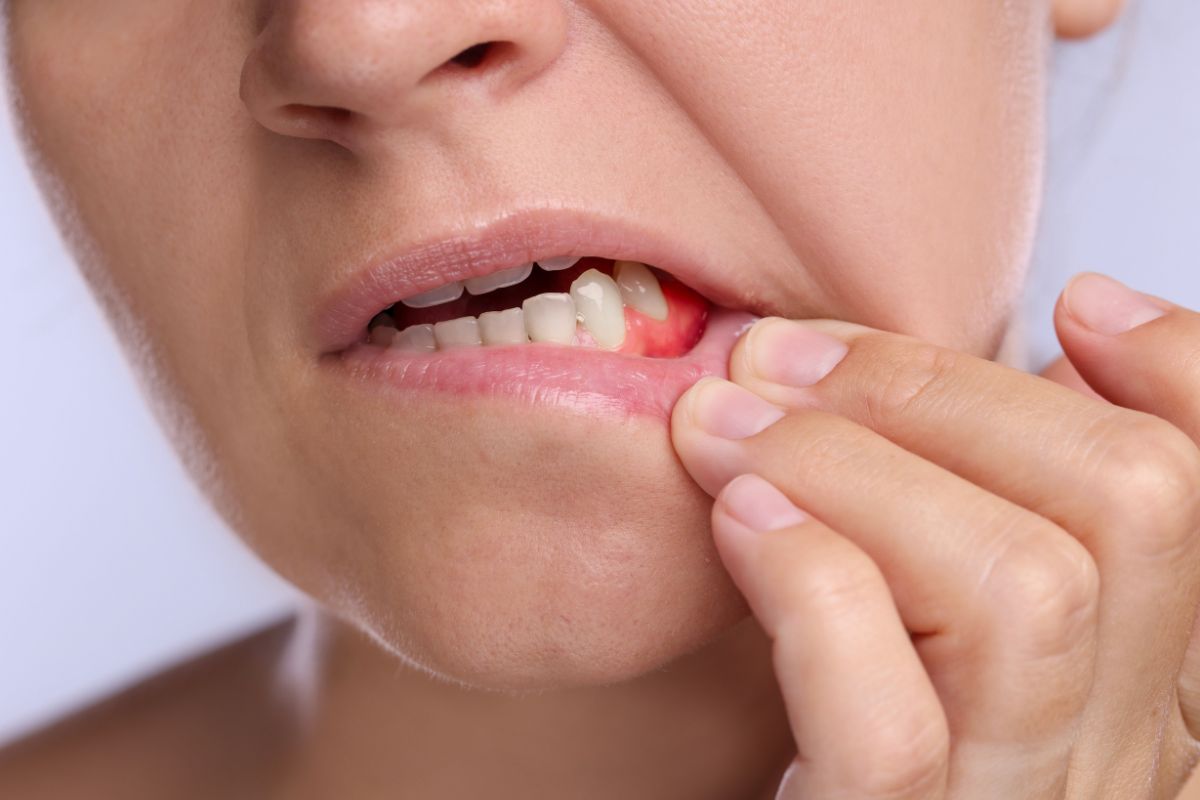
This is the earliest stage of gum disease. If your gums bleed when you floss, look a little red, or feel puffy, you likely have gingivitis. At this point, the infection is entirely reversible with proper brushing, flossing, and a routine visit to a dentist.
Phase 2: Periodontitis
When gingivitis is ignored, it develops into periodontitis. The gums begin to pull away from the teeth, creating deep “pockets” where destructive, anaerobic bacteria thrive. Your body’s immune system goes into overdrive to fight the infection, but the chronic inflammatory response begins to break down the bone and connective tissues holding your teeth in place.
Left unchecked, this bacteria doesn’t stay confined to your mouth. It hitchhikes a ride in your bloodstream, traveling straight to your vital organs.
The Hidden Highways: How Gum Disease Affects Your Vital Organs
To understand the true risk of advanced periodontal disease, we have to look at how oral bacteria impact the rest of the body. Here are the primary ways untreated gum disease compromises your systemic health.
1. Cardiovascular Disease: The Heart-Mouth Connection
There is a massive body of medical research linking periodontitis to heart attacks and strokes. When periodontal bacteria enter the bloodstream, they can attach to fatty deposits (plaques) in the blood vessels of your heart. This causes the blood vessels to inflame and narrow, increasing the risk of blood clots.
If a clot blocks blood flow to the heart, it causes a heart attack. If it blocks blood flow to the brain, it causes a stroke. Studies have shown that people with advanced gum disease are up to two times more likely to suffer from fatal cardiovascular events than those with healthy gums.
2. Respiratory Infections and Pneumonia
Every time you breathe, inhale deeply, or swallow, you draw air past your teeth and gums. If your mouth is overrun with pathogenic bacteria, you risk inhaling those microscopic invaders directly into your lungs.
This can lead to severe respiratory infections, bronchitis, and acute bacterial pneumonia. For older adults, individuals with chronic obstructive pulmonary disease (COPD), or those with compromised immune systems, a severe lung infection triggered by oral bacteria can quickly become life-threatening.
3. Diabetic Complications
The relationship between diabetes and gum disease is a dangerous two-way street. Severe periodontal disease increases blood sugar levels, making it incredibly difficult for diabetics to manage their condition. Prolonged, unmanaged high blood sugar damages blood vessels and organs, accelerating fatal diabetic complications like kidney failure and heart failure. Conversely, treating gum disease has been shown to help lower a patient’s HbA1c levels, illustrating just how connected your mouth is to your endocrine system.
4. Sepsis: The Ultimate Warning
In rare, extreme cases of dental neglect, a localized dental infection or severe periodontal abscess can trigger sepsis. Sepsis is a life-threatening medical emergency caused by the body’s overwhelming, toxic response to an infection. If bacteria from an infected tooth or deep gum pocket flood the bloodstream completely unchecked, it can lead to rapid organ failure and septic shock.
Warning Signs You Shouldn’t Ignore
Because periodontitis is often completely painless in its early and moderate stages, many people assume everything is fine. Do not wait for severe pain to alert you to a problem. If you notice any of these warning signs, it is time to visit our dental office immediately:
- Persistent bad breath (halitosis) that doesn’t go away after brushing or using mouthwash
- Gums that bleed easily when brushing, flossing, or eating hard foods
- Red, swollen, or tender gums
- Gums that look like they are pulling away or receding from your teeth, making your teeth look longer
- Deep pockets forming between your teeth and gums
- Loose or shifting teeth, or changes in the way your teeth fit together when you bite
Prevention: Your Shield Against Systemic Illness
The good news in all of this is that gum disease is highly preventable and manageable. Protecting your heart, lungs, and metabolic health starts with a few daily choices:
- Brush Twice a Day: Use a soft-bristled toothbrush and fluoride toothpaste. Don’t forget to gently brush along your gumline where plaque loves to hide.
- Floss Daily: Brushing only cleans about 60% of your tooth surfaces. Flossing is the only way to clear out bacteria from between your teeth and deep beneath the gum tissue.
- Stay Hydrated: Drinking water helps rinse away food particles and maintains healthy saliva production, which naturally neutralizes harmful mouth acids.
- Schedule Regular Cleanings: Even the most diligent brushers can miss tiny spots. Over time, soft plaque hardens into tartar (calculus), which can only be safely removed by a professional dental hygienist using specialized tools.
Frequently Asked Questions
1. Can reversing gingivitis save me from these health risks?
Yes, absolutely! Gingivitis is the only stage of gum disease that is completely reversible. By eliminating the bacterial buildup early through professional dental cleanings and pristine home care, you completely stop the chronic inflammatory cycle before it can impact your systemic health.
2. How often should I see a dentist to check for gum disease?
For most patients with healthy smiles, a routine checkup and cleaning every six months is ideal. However, if you have a history of periodontitis, diabetes, or a genetic predisposition to bone loss, your practitioner may recommend specialized supportive periodontal therapy every three to four months to keep the bacteria under strict control.
3. Can brushing harder fix bleeding gums?
No, brushing harder will actually do more harm than good. Scrubbing your teeth aggressively can wear down your protective enamel and cause your delicate gum tissue to recede further, exposing vulnerable tooth roots. Focus on a thorough, gentle technique rather than force.
4. Is periodontal treatment painful?
Modern dental technology allows periodontal therapies, such as scaling and root planing (deep cleanings), to be incredibly comfortable. Local anesthetics and advanced sedation options ensure you won’t feel pain during the procedure, and your gums will feel significantly cleaner and healthier afterward.
Protect Your Smile and Health with Dental Care of Mid Florida
Your oral health is a vital pillar of your overall longevity. Ignoring bleeding, swollen gums doesn’t just put your teeth at risk; it puts a heavy strain on your entire cardiovascular and immune systems.
If you are looking for an experienced, compassionate dentist in Sebring, the dedicated team at Dental Care of Mid Florida is here to support you. We look forward to welcoming you into our warm, patient-first environment where your comfort and systemic wellness are our highest priorities.
Don’t wait for a small, treatable issue to spiral into a major health complication. Take control of your well-being today. Contact our team or visit our website to book an appointment and give your smile the exceptional care it deserves!
Related Articles
[theme_related]