Sebring, FL

Foods to Eat After Wisdom Teeth Removal

Removing your wisdom teeth is a common and often necessary procedure to protect your dental health. While the surgery itself is quick, the recovery process requires a bit of care, especially when it comes to what you eat. The right diet is crucial for a smooth and speedy recovery, helping to reduce pain, minimize swelling, and prevent complications like a dry socket. At Dental Care of Mid Florida, your health and comfort are our top priorities. This blog post will guide you through the ideal diet for your recovery, from the first few hours to a full return to your normal routine.
The Golden Rule: Why a Soft Food Diet is Non-Negotiable
The primary goal of a post-op diet is to protect the blood clot that forms in the empty socket. This clot is critical to the healing process, acting as a natural bandage that protects the bone and nerve endings. Dislodging this clot can lead to a painful condition known as “dry socket.” A soft food diet prevents this by eliminating the need for strenuous chewing, which could irritate the surgical site and delay healing. Your trusted dentist in Sebring can provide more details on this crucial post-op care.
The First 24-48 Hours: The Liquid and Soft Food Stage
Immediately after your surgery, your mouth will be numb, and your jaw will be sore. Stick to a liquid and soft-food diet that requires no chewing. The colder the food, the more it can help numb the area and reduce swelling.
- Smoothies and Milkshakes: A perfect way to pack in nutrients. Use soft fruits like bananas, avocados, and berries (avoiding those with small seeds), yogurt, and a protein powder to make a meal replacement.
- Soups and Broths: Warm (not hot) soups and broths are hydrating and rich in nutrients. Pureed soups like tomato, pumpkin, or creamy vegetable soup are excellent choices.
- Yogurt and Pudding: These are soothing, creamy, and easy to swallow. Greek yogurt provides a great source of protein to aid in recovery.
- Applesauce and Mashed Bananas: These soft fruit purees are gentle on your mouth and provide essential vitamins.
Days 3-7: Transitioning to Semi-Soft Foods
As the initial pain and swelling subside, you can gradually introduce foods that require minimal chewing. Continue to chew on the opposite side of your mouth from the extraction site.
- Mashed Potatoes and Mashed Sweet Potatoes: These are comforting, filling, and packed with nutrients.
- Scrambled Eggs: A great source of protein that requires very little chewing.
- Soft Cooked Fish: Fish like salmon or cod are soft, easy to flake apart, and rich in beneficial omega-3 fatty acids.
- Overcooked Pasta: Well-cooked pasta is soft and easy to swallow.
- Steamed and Mashed Vegetables: Soft vegetables like carrots, cauliflower, or squash can be mashed or pureed for easy consumption.
Foods and Habits to Strictly Avoid
Just as important as knowing what to eat is knowing what to avoid. These items can cause pain, delay healing, or lead to infection.
- No Straws: The suction created by drinking through a straw can easily dislodge the blood clot, leading to a dry socket. Sip your beverages from a cup instead.
- Hard, Crunchy, or Chewy Foods: Anything that requires significant chewing should be avoided for at least a week. This includes nuts, chips, popcorn, pretzels, beef jerky, and hard candy.
- Small Seeds and Grains: Foods like rice, quinoa, and poppy seeds can get lodged in the extraction site and cause irritation or infection.
- Spicy, Acidic, or Hot Foods: These can irritate the sensitive surgical site and increase pain and swelling.
- Alcohol and Tobacco: Both can interfere with the healing process and increase the risk of complications.
The Importance of Hydration
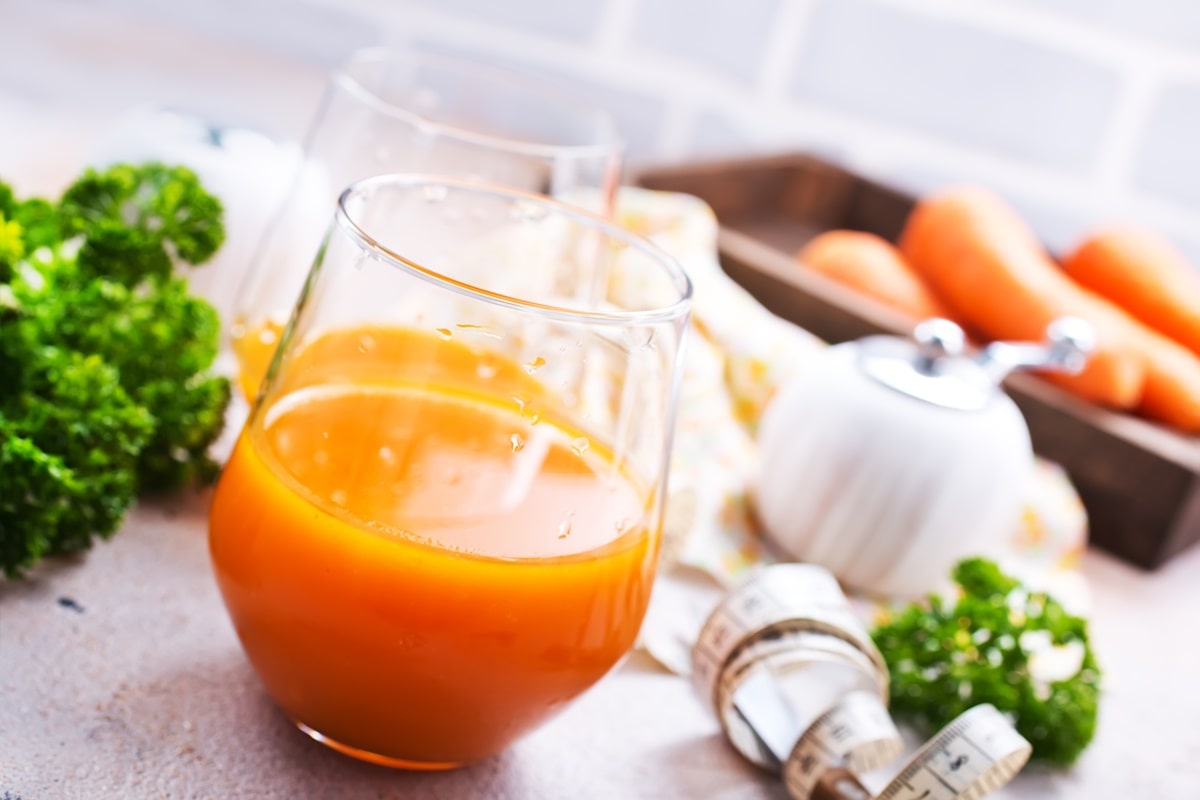
Staying hydrated is one of the most crucial parts of your post-op recovery. Drinking plenty of water helps your body heal, prevents dehydration, and can flush out food particles from the mouth. It’s important to drink water frequently throughout the day, but remember to avoid using a straw. The suction can dislodge the blood clot and cause a painful dry socket. Instead, gently sip from a glass or cup. You can also stay hydrated with other fluids like decaffeinated tea (cooled to a lukewarm temperature), broths, and juices without pulp.
Your Partner in Recovery
Following these dietary guidelines will make your recovery from wisdom teeth removal as smooth and comfortable as possible. Your oral surgeon or dentist will provide you with a personalized recovery plan, but these tips will set you on the right path.
If you have any questions or concerns about your recovery or oral health, don’t hesitate to contact our team at Dental Care of Mid Florida. We’re here to help you heal and get back to your regular routine with a happy, healthy smile. To learn more or to book an appointment, you can always visit our dental office at your convenience.