Sebring, FL

5 Questions About Restorative Dentistry That New Patients Always Ask

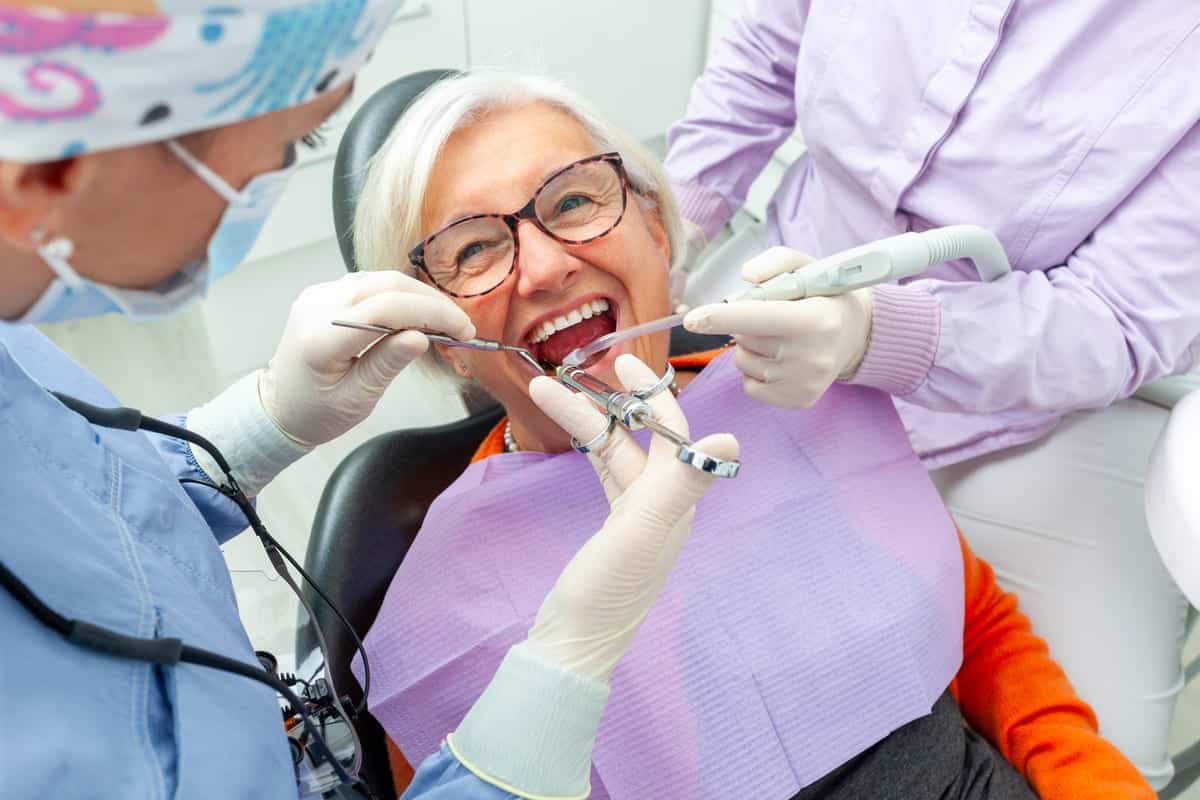
Starting any dental treatment can feel overwhelming. That is especially true if you are new to restorative dentistry in Sebring. At Dental Care of Mid Florida – Sebring, Dr. Ernesto Llerena and his team hear the same questions from new patients every week. Understanding what to expect makes the process feel far less intimidating. This article covers the 5 questions about restorative dentistry that new patients always ask in Sebring — answered honestly and clearly.
Question 1: What Exactly Is Restorative Dentistry?
Restorative dentistry focuses on repairing and rebuilding damaged or missing teeth. The goal is to restore full function and a healthy appearance. It is not just about aesthetics — it protects your oral health long-term.
Common restorative treatments include:
- Composite fillings to repair cavities
- Dental crowns to strengthen weakened teeth
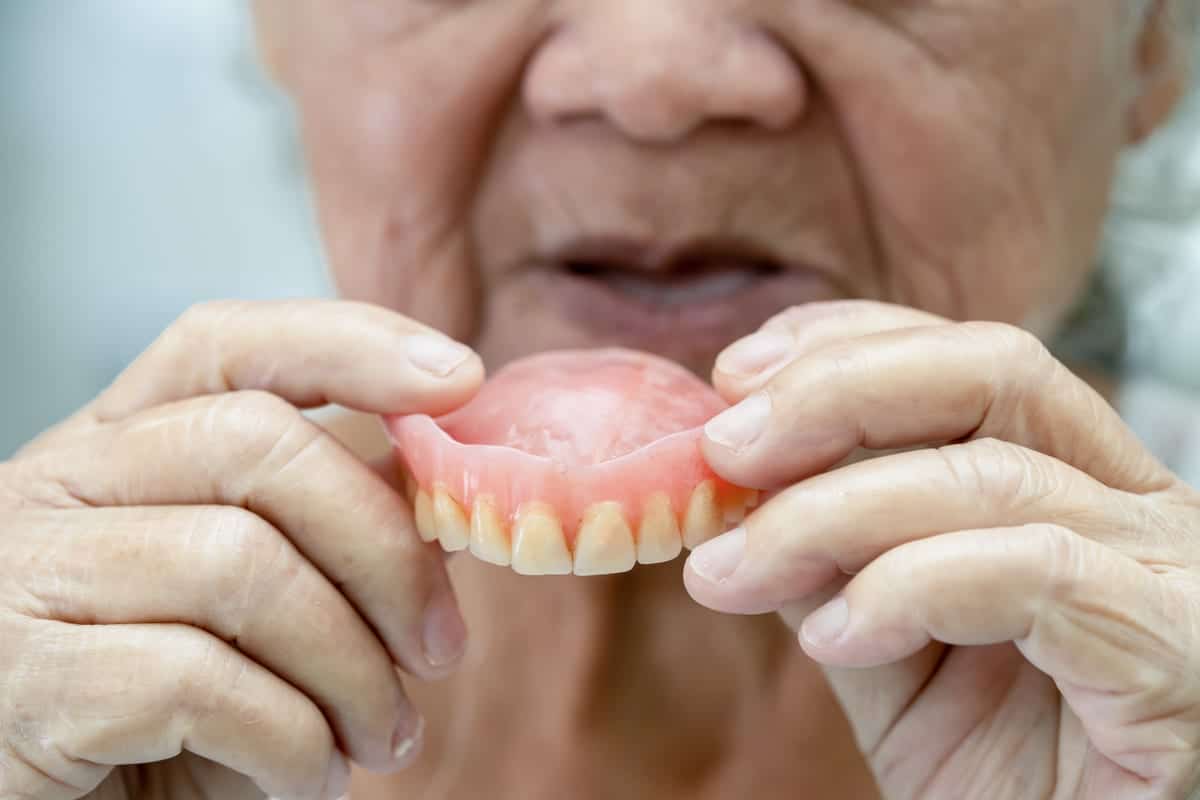
- Dentures for missing teeth replacement
- Root canal treatment to save infected teeth
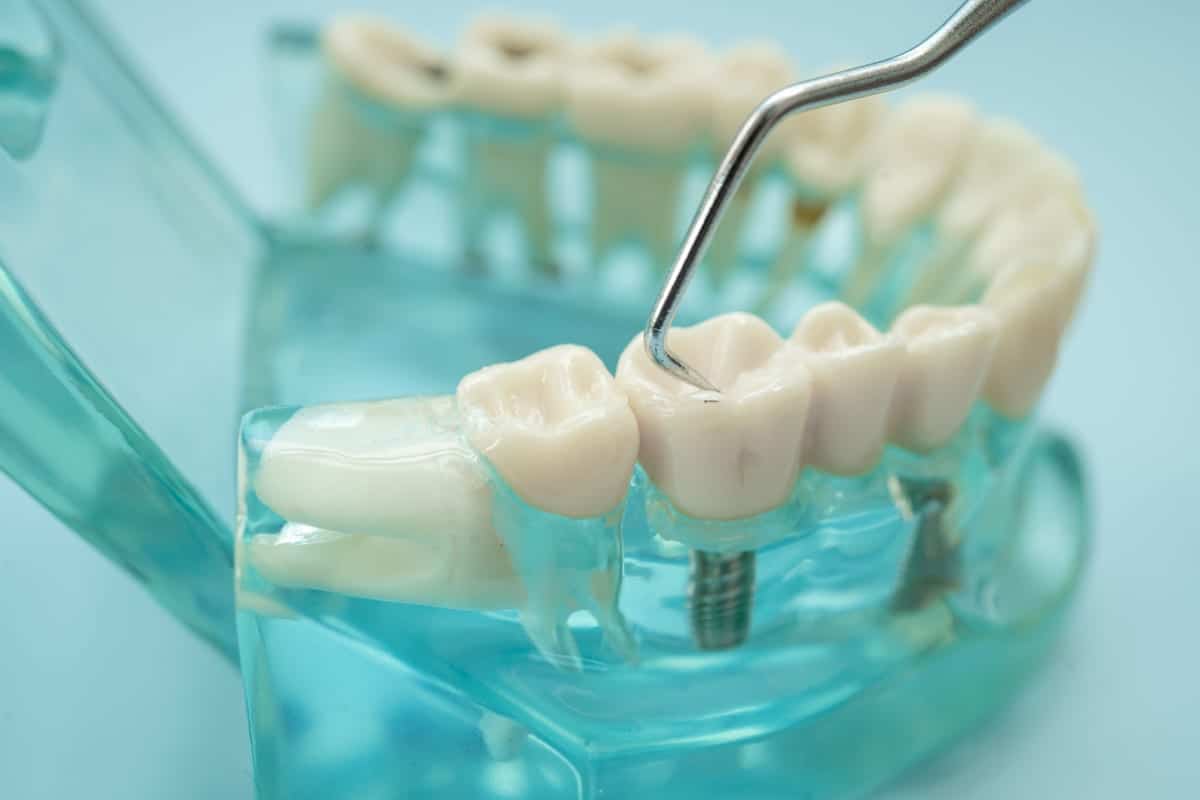
- Bone grafting to support future implants
Our team offers General Dentistry Sebring services alongside restorative care. This means your entire oral health is managed in one convenient location. You do not need multiple specialist referrals for most treatments.
Question 2: Will Restorative Dental Procedures Hurt?
This is one of the most common concerns we hear from new patients in Sebring. The honest answer is that modern dentistry is far more comfortable than most people expect. Dr. Llerena uses proven techniques to minimize discomfort throughout every procedure.
Local anesthesia is used for most restorative treatments. You will feel numb in the treatment area before any work begins. Many patients are genuinely surprised by how little they feel during the appointment.
For patients with dental anxiety, we also offer Sedation Dentistry Sebring options. Sedation helps you stay relaxed and calm during longer or more complex procedures. It is a safe and effective way to get the care you need without fear holding you back.
After your procedure, mild soreness is normal. Over-the-counter pain relievers typically manage any post-treatment discomfort well. Dr. Llerena will give you specific aftercare instructions before you leave.
Question 3: How Many Appointments Will I Need?
The number of visits depends on which restorative treatment you need. Simple procedures like composite fillings can often be completed in a single appointment. More complex treatments require multiple visits.
Here is a general guide to what patients can expect:
- Initial consultation: Dr. Llerena examines your teeth and reviews X-rays.
- Treatment planning: You receive a clear plan with a timeline and all costs outlined.
- Procedure appointments: Treatment is completed over one or more visits depending on complexity.
- Follow-up visit: Dr. Llerena confirms healing and checks your results.
Dental crowns, for example, typically require two appointments. The first visit prepares the tooth. The second visit places the permanent crown. Dentures and bone grafting procedures involve a longer timeline.
Dr. Llerena will walk you through your personalized plan at your first visit. You will never feel rushed or confused about next steps. Transparency is a core part of how we care for patients in Sebring.
Question 4: How Long Do Restorative Results Last?
This is a great question — and one every patient should ask before starting treatment. The longevity of restorative work depends on the type of procedure and how well you maintain it. With proper care, most restorations last many years.
Here are general lifespan estimates for common treatments:
- Composite fillings: 5 to 10 years with good oral hygiene
- Dental crowns: 10 to 15 years or longer
- Dentures: 5 to 10 years before adjustments or replacements are needed
- Root canal treatment: Can last a lifetime with a protective crown
Your daily habits play a major role in how long results last. Brushing twice daily, flossing, and attending regular cleanings all extend the life of your restorations. Avoiding hard foods and not grinding your teeth also helps significantly.
Dr. Llerena will recommend a maintenance schedule tailored to your specific treatment. Consistent follow-up care protects your investment and keeps your smile healthy. Patients in Sebring who stay consistent with checkups see the best long-term outcomes.
Question 5: Is Restorative Dentistry Right for Me?
Many patients wonder whether they truly need restorative treatment — or if they can wait. The truth is that dental problems rarely improve on their own. Early treatment almost always leads to simpler procedures and better results.
You may be a good candidate for restorative dentistry if you experience:
- Tooth pain or sensitivity that does not go away
- Visible cracks, chips, or decay on your teeth
- Missing one or more teeth
- Difficulty chewing or biting comfortably
- Teeth that feel loose or shifted
Even if your symptoms feel minor, a professional evaluation is the only way to know for certain. Dr. Llerena conducts a thorough exam and uses digital X-rays to assess the full picture. He then explains all available options so you can make an informed decision.
Restorative dentistry is not a one-size-fits-all process. Every treatment plan at Dental Care of Mid Florida – Sebring is built around the individual patient. Your comfort, goals, and oral health all shape the approach Dr. Llerena recommends.
Ready to Take the Next Step in Sebring?
Asking questions before starting treatment is always a smart move. Dr. Ernesto Llerena and the team at Dental Care of Mid Florida – Sebring are here to provide clear, honest answers. You deserve to feel confident and informed before any procedure begins. Book Now to schedule your appointment with our team.
Frequently Asked Questions
What is the difference between restorative and cosmetic dentistry?
Restorative dentistry focuses on repairing damaged or missing teeth to restore function and health. Cosmetic dentistry primarily improves the appearance of teeth. Many treatments, like dental crowns, serve both restorative and cosmetic purposes. Dr. Llerena can explain which approach fits your specific needs.
How do I know if I need a filling or a crown?
Fillings are used for smaller areas of decay or minor damage. Crowns are recommended when a tooth is significantly weakened, cracked, or has undergone a root canal. Dr. Llerena will examine your tooth and recommend the most conservative option that protects your long-term oral health.
Can I get multiple restorative treatments done at once?
In many cases, yes. Dr. Llerena can combine certain treatments in a single visit to save you time. For more complex cases involving bone grafting or dentures, a phased treatment plan may be necessary. Your personalized plan will outline everything clearly from the start.
Is restorative dentistry safe for older adults?
Absolutely. Restorative dentistry is safe and highly beneficial for patients of all ages, including seniors. Treatments like dentures, crowns, and root canals help older adults maintain proper chewing function and overall health. Dr. Llerena tailors every treatment plan to suit each patient’s age and health history.
What happens if I delay restorative treatment?
Delaying treatment often allows dental problems to worsen over time. A small cavity can grow into a tooth that requires a crown or root canal. Missing teeth can cause bone loss and shifting of surrounding teeth. Early treatment is almost always less invasive and more cost-effective.