Sebring, FL

Why You Shouldn’t Ignore Your Peeling Gums

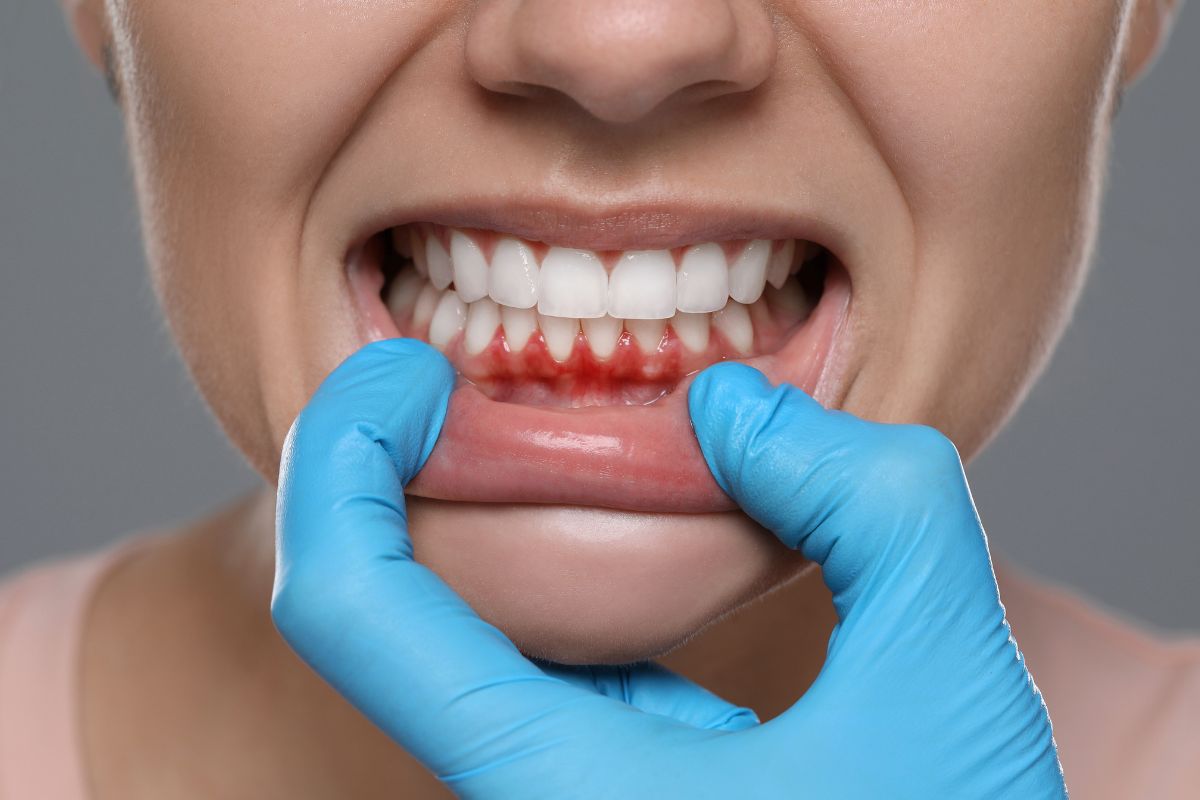
When people think about oral health problems, cavities and toothaches often come to mind first. However, your gums play an equally important role in maintaining a healthy smile. If you’ve noticed your gums peeling, flaking, or shedding tissue, it may be tempting to ignore it and assume it will go away on its own. In reality, peeling gums can be a sign that something isn’t quite right.
Healthy gums should appear firm, pink, and intact. Any noticeable peeling, redness, irritation, or discomfort deserves attention. While some cases may be caused by temporary irritation, others could indicate an underlying dental or health condition that requires professional treatment.
In this blog, we’ll explore the common causes of peeling gums, potential risks of ignoring the problem, and when it’s time to seek help from a trusted dentist in Sebring.
What Are Peeling Gums?
Peeling gums occur when the outer layer of gum tissue begins to shed, flake, or separate. This can affect a small area or larger portions of the gums and may be accompanied by symptoms such as:
- Redness
- Swelling
- Tenderness
- Burning sensations
- Bleeding
- Increased sensitivity
- White patches or sores
Because gum tissue protects the roots of your teeth and supports overall oral health, any changes in its appearance should be taken seriously.
Common Causes of Peeling Gums
Peeling gums can occur for many different reasons. Some are relatively minor, while others require prompt professional care.
1. Aggressive Brushing Habits
Brushing too hard or using a toothbrush with stiff bristles can irritate and damage delicate gum tissue. Over time, excessive pressure may cause the gums to become inflamed and peel.
To protect your gums:
- Use a soft-bristled toothbrush
- Brush gently using circular motions
- Avoid scrubbing aggressively
A gentle approach helps remove plaque without harming your gums.
2. Burns from Hot Foods and Drinks
Just like the skin inside your mouth, gum tissue can be burned by foods or beverages that are too hot. A burn may cause the outer layer of tissue to peel as it heals.
Common culprits include:
- Hot coffee
- Tea
- Soup
- Pizza cheese
- Microwaved foods
Most minor burns heal within a few days, but persistent symptoms should be evaluated by a dental professional.
3. Allergic Reactions
Some people develop allergic reactions to oral care products or certain foods. Ingredients in toothpaste, mouthwash, chewing gum, or dental materials may irritate the gums.
Signs of an allergic reaction may include:
- Peeling tissue
- Redness
- Itching
- Swelling
- Burning sensations
Switching products may help, but it’s important to identify the underlying cause with professional guidance.
4. Gum Disease
One of the most common causes of gum irritation is periodontal disease. Gum disease begins when plaque and bacteria accumulate along the gumline.
Early-stage gum disease (gingivitis) can cause:
- Redness
- Swelling
- Bleeding
- Tender gum tissue
As the condition progresses, gum tissue may become damaged and begin to peel or recede.
Routine dental care and professional cleanings can help prevent gum disease before it becomes severe.
5. Nutritional Deficiencies
Your body requires essential vitamins and minerals to maintain healthy oral tissues.
Deficiencies in the following nutrients may contribute to gum problems:
- Vitamin C
- Vitamin B complex
- Iron
- Zinc
Poor nutrition can weaken the gums, making them more susceptible to irritation and peeling.
A balanced diet supports both your overall health and your oral health.
6. Hormonal Changes
Hormonal fluctuations can affect gum health, especially during:
- Pregnancy
- Menopause
- Puberty
Changes in hormone levels can increase gum sensitivity and inflammation, sometimes resulting in peeling or discomfort.
Women experiencing persistent gum issues should discuss their symptoms with both their healthcare provider and dentist.
7. Oral Infections
Certain bacterial, viral, or fungal infections can affect the gums and soft tissues of the mouth.
Examples include:
- Oral thrush
- Herpes simplex infections
- Other inflammatory conditions
These infections may cause peeling tissue, sores, white patches, or painful lesions that require professional diagnosis and treatment.
8. Autoimmune Disorders
Some autoimmune conditions affect the tissues inside the mouth and may lead to chronic gum irritation.
Conditions such as:
- Lichen planus
- Pemphigus vulgaris
- Mucous membrane pemphigoid
Can cause gum peeling, blistering, and discomfort. Because these conditions often require specialized care, early diagnosis is essential.
Why Ignoring Peeling Gums Can Be Risky
Many people assume gum irritation is temporary and harmless. Unfortunately, delaying treatment can allow underlying issues to worsen.
Progression of Gum Disease
If peeling gums are caused by gingivitis or periodontal disease, the infection may continue spreading beneath the gumline.
Untreated gum disease can lead to:
- Gum recession
- Bone loss
- Loose teeth
- Tooth loss
Early intervention offers the best chance of preserving your oral health.
Increased Risk of Infection
Damaged gum tissue creates openings where bacteria can enter and multiply. This can increase the risk of infections that affect not only your gums but also surrounding structures.
Chronic Discomfort
Peeling gums often become more sensitive over time. Eating, drinking, brushing, and flossing may become uncomfortable, affecting your quality of life and daily routine.
Missed Diagnosis of Underlying Conditions
Sometimes, peeling gums are a symptom of a larger health issue. Ignoring the signs may delay diagnosis and treatment of medical conditions that require attention.
When Should You See a Dentist?
While minor irritation may resolve on its own, certain symptoms warrant professional evaluation.
Schedule a dental appointment if you experience:
- Peeling that lasts more than a few days
- Persistent redness or swelling
- Bleeding gums
- Pain or burning sensations
- White patches or sores
- Gum recession
- Loose teeth
- Difficulty eating or drinking
A skilled dentist in Sebring can identify the cause and recommend the most appropriate treatment.
How Dentists Diagnose Peeling Gums
When you visit a dental professional, the evaluation may include:
Comprehensive Oral Examination
Your dentist will inspect your gums, teeth, tongue, and other oral tissues for signs of disease or injury.
Medical History Review
Certain medications, health conditions, and lifestyle factors may contribute to gum problems.
Periodontal Assessment
If gum disease is suspected, your dentist may measure gum pockets and evaluate the health of supporting structures.
Additional Testing
In some cases, biopsies, imaging, or referrals to medical specialists may be recommended to determine the exact cause.
Treatment Options for Peeling Gums
Treatment depends on the underlying cause.
Professional Dental Cleaning
If plaque buildup or gingivitis is responsible, a professional cleaning can remove harmful bacteria and reduce inflammation.
Improved Oral Hygiene Practices
Your dentist may recommend:
- Soft-bristled toothbrushes
- Proper brushing techniques
- Daily flossing
- Gentle antimicrobial rinses
Medication
Certain conditions may require:
- Antifungal medications
- Antiviral medications
- Prescription mouth rinses
- Anti-inflammatory treatments
Lifestyle and Dietary Changes
Improving nutrition and avoiding irritating foods or products can support gum healing.
Management of Medical Conditions
If an underlying autoimmune disorder or systemic health condition is involved, coordinated care between medical and dental professionals may be necessary.
Tips for Maintaining Healthy Gums
Prevention remains one of the most effective ways to protect your oral health.
Follow these simple habits:
- Brush twice daily with a soft-bristled toothbrush
- Floss every day
- Stay hydrated
- Eat a nutrient-rich diet
- Avoid tobacco products
- Limit sugary snacks and drinks
- Attend regular dental checkups
- Address oral symptoms promptly
Consistent preventive care can significantly reduce your risk of gum problems.
The Importance of Regular Dental Visits
Routine dental visits allow potential issues to be detected early before they become serious.
During regular checkups, your dental team can:
- Monitor gum health
- Remove plaque and tartar
- Identify early signs of disease
- Provide personalized oral hygiene recommendations
If you’ve noticed peeling gums or other unusual symptoms, don’t wait for the problem to worsen. Early treatment often leads to better outcomes and less invasive care.
FAQs
1. Are peeling gums always a sign of gum disease?
No. Peeling gums can result from burns, allergies, nutritional deficiencies, infections, autoimmune conditions, or aggressive brushing. However, gum disease is one of the most common causes.
2. Can peeling gums heal on their own?
Minor irritation may heal naturally within a few days. If symptoms persist, worsen, or are accompanied by pain or bleeding, professional evaluation is recommended.
3. Is peeling gum tissue painful?
It can be. Some people experience tenderness, burning, or sensitivity, while others may notice peeling without significant discomfort.
4. Can toothpaste cause peeling gums?
Yes. Certain ingredients in toothpaste or mouthwash may trigger irritation or allergic reactions in some individuals, leading to peeling tissue.
5. How can I prevent peeling gums?
Maintaining good oral hygiene, using a soft-bristled toothbrush, eating a healthy diet, and attending regular dental checkups can help keep your gums healthy.
Don’t Ignore the Warning Signs
Peeling gums may seem like a minor concern, but they can be an important indicator of underlying oral health problems. Whether the cause is simple irritation or a more serious condition, early diagnosis and treatment can help prevent complications and protect your smile.
If you’re experiencing gum peeling, sensitivity, or other oral health concerns, the experienced team at Dental Care of Mid Florida is here to help. Our compassionate professionals are committed to providing personalized care for patients throughout the Sebring community.
Schedule Your Visit Today
Don’t wait for gum problems to get worse. If you’ve noticed peeling gums or other signs of irritation, visit our dental office for a comprehensive evaluation. Contact Dental Care of Mid Florida today to book an appointment and take the next step toward a healthier, more comfortable smile.
Related Articles
[theme_related]