Sebring, FL

Do Dental Implants Lead to a Metallic Taste in the Mouth?

If you’re considering dental implants, you’ve likely done your research. You know they’re a popular, effective, and long-lasting solution for replacing missing teeth. They look like natural teeth, restoring your smile and confidence. However, some people worry about potential side effects. One common concern is whether dental implants can cause a metallic taste in the mouth. It’s a valid question, as the thought of having a persistent, unpleasant taste is enough to make anyone hesitant. The short answer is no, a properly placed dental implant won’t cause a metallic taste. The more detailed explanation, however, involves understanding what implants are made of and what other factors could be at play.
What Are Dental Implants Made Of?
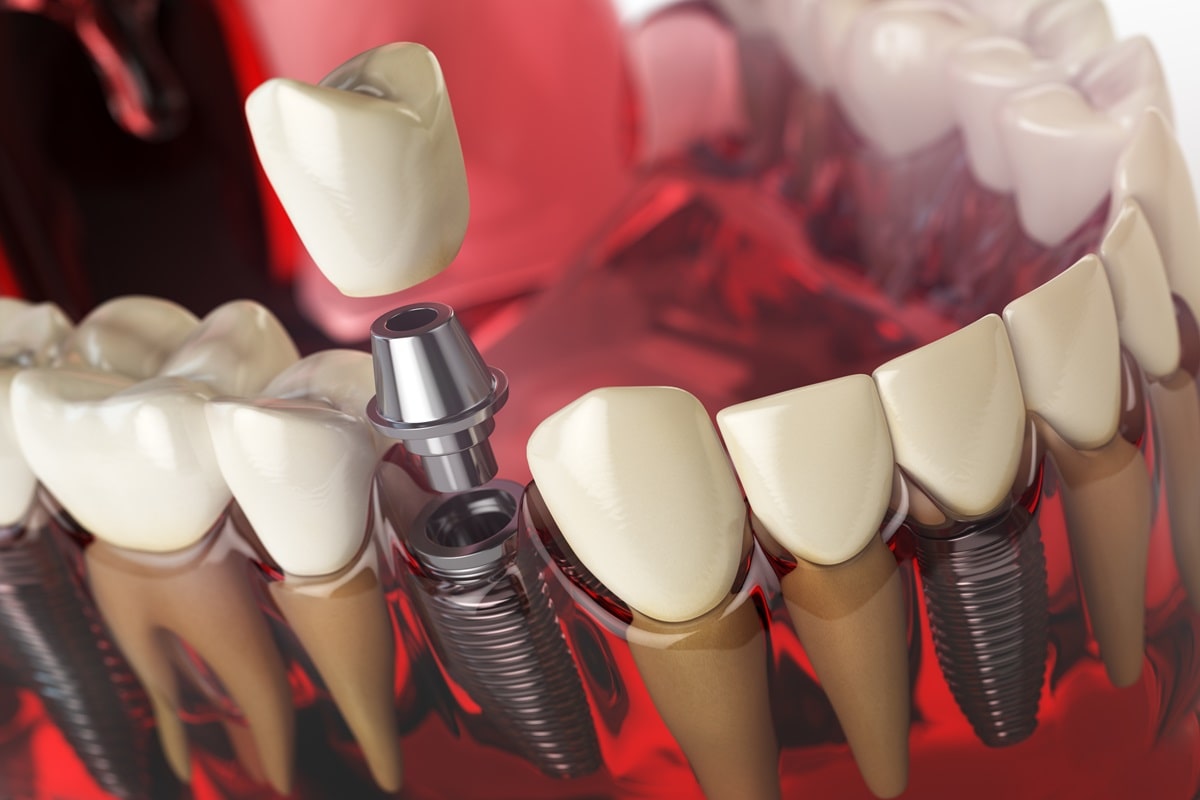
Most Dental Implants are made from titanium, a biocompatible metal. This means the body readily accepts it without triggering an immune response or allergic reaction. Titanium is known for its strength, durability, and ability to fuse with bone—a process called osseointegration. The implant is a small, screw-like post surgically placed into the jawbone. This post acts as the new “root” for the replacement tooth, usually a porcelain or ceramic crown.
Titanium and other materials used in dental implants are non-corrosive and don’t degrade over time, so a properly placed implant won’t release metal ions or other substances that could cause a metallic taste. It’s designed to be a stable, inert part of your body.
So, Why Might You Experience a Metallic Taste?
If you have a dental implant and are experiencing a metallic taste, it’s doubtful that the implant is the direct cause. Instead, the metallic taste is a symptom of another issue. Let’s explore some of the most common reasons:
1. Poor Oral Hygiene or Infection
This is the most frequent culprit. A metallic taste is often a sign of an infection or inflammation in the mouth. If you aren’t cleaning around your implant and surrounding teeth properly, plaque and bacteria can build up, leading to peri-implantitis. This inflammatory disease affects the gum tissue and bone around the implant. It’s the dental implant version of gum disease. The inflammation and infection can release byproducts that create a metallic or foul taste.
2. Allergic Reaction to the Implant Material
While extremely rare, some people may have an allergic reaction to titanium. This is uncommon, as titanium is highly biocompatible, but it’s not impossible. An allergic reaction could manifest as inflammation, itching, or a metallic taste. If you suspect an allergy, your dentist can perform tests to confirm it.
3. Galvanic Shock
Galvanic shock occurs when two different types of metal are present in the mouth. For example, if you have an old metal filling (amalgam) and your new dental implant’s crown has a metal base, the two different metals can create a small electrical current when they come into contact with saliva. This can sometimes cause a slight metallic or “electric” taste. This is less of an issue with modern crowns, typically all-ceramic or porcelain fused to a non-reactive metal base.
4. Other Medical Conditions or Medications
A metallic taste can be a side effect of other issues unrelated to your dental implants. Many common medications, including some antibiotics and antidepressants, can cause it. Additionally, conditions like sinus infections, acid reflux, and even nutritional deficiencies can alter your sense of taste. If the taste persists and you’ve ruled out dental problems, it’s a good idea to consult your doctor.
How to Address a Metallic Taste
If you’ve recently had a dental implant placed and are experiencing a metallic taste, here’s what you should do:
- Practice Excellent Oral Hygiene: Brush twice a day, floss daily, and use a non-alcoholic mouthwash. Pay special attention to the area around the implant.
- Consult Your Dentist: Your dentist can examine the implant site for any signs of infection or inflammation. They can also check for any loose components of the implant (like the abutment or crown) that might be causing irritation.
- Review Your Medications: Inform your dentist and doctor about all the medications you are taking, as one of them could be the source of the problem.
- Consider a Second Opinion: If the issue persists and your dentist can’t find a cause, a consultation with an oral surgeon or periodontist might be beneficial.
In conclusion, dental implants are highly unlikely to cause a metallic taste. The materials used are chosen for their stability and biocompatibility. If you’re experiencing this issue, it’s almost always a sign of something else: poor oral hygiene or an underlying medical condition. By addressing the root cause, you can ensure a healthy, comfortable, and taste-free smile for years. If you have any concerns, please visit our dental office. You can also book an appointment with one of our experienced professionals to discuss any questions you have.
Related Articles
[theme_related]